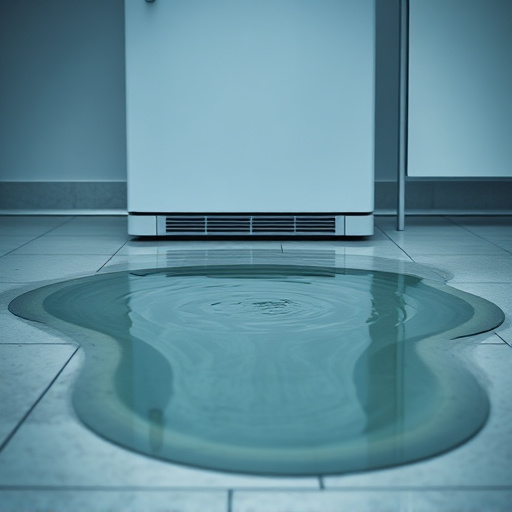
In the heart of Texas, a broken refrigerator isn't just an inconvenience; it poses significant risks to your food safety and energy efficiency. When your fridge stops cooling, it's crucial to navigate the decision between repair and replacement. This guide cuts through the confusion, providing practical insights tailored to the unique challenges of maintaining a fridge in a hot climate. We'll explore common problems like a non-cooling fridge (even when the freezer works), noisy appliances, water leaks, and frost buildup, examining the technical aspects that underlie these issues. We'll discuss the importance of regular maintenance, including condenser coil cleaning, to ensure optimal performance and longevity. By the end, you'll have the confidence to decide when it's time to call in the experts or replace your refrigerator altogether.
- Assess Common Refrigerator Problems and Costs
- Understand When Condenser Coil Cleaning is Necessary
- Evaluate Your Refrigerator's Age and Condition
- Weigh Repair vs. Replacement: A Cost-Benefit Analysis
Assess Common Refrigerator Problems and Costs

When deciding between repairing or replacing your refrigerator, understanding common problems and their associated costs is crucial. In many cases, a simple fix like a door gasket replacement or a condenser coil cleaning can extend the life of your appliance. A faulty door seal allows cold air to escape and warm air to enter, disrupting the cooling process and causing the fridge to run constantly. Cleaning the condenser coils, which can become clogged with dust and debris, can also significantly improve efficiency.
However, some issues signal that replacement might be the better option. Persistent problems like a malfunctioning compressor, which is responsible for compressing refrigerant to create cold air, can lead to high energy bills and frequent repair calls. An ice maker that doesn't work or a water dispenser that's out of order might also indicate a more serious issue, especially if the fridge is still under warranty. In these cases, an appliance repair company serving Austin and nearby suburbs can provide expert diagnosis and repair, but it's important to weigh the cost against the potential lifespan of a new unit.
The cost of repair varies widely based on the problem. Simple fixes like a door gasket replacement or condenser coil cleaning can range from $75 to $250. More complex issues such as compressor replacement, which can cost anywhere from $300 to $1,500 depending on the model and brand, might make replacement more economical. It's also important to consider the age and overall condition of your refrigerator. Older models may not be worth repairing due to lack of parts availability or energy efficiency. Food safety becomes a concern when a refrigerator stops cooling properly, especially in the Texas heat. Regular maintenance, including cleaning and checking for ice buildup, can help extend the lifespan of your unit and prevent costly repairs.
Understand When Condenser Coil Cleaning is Necessary
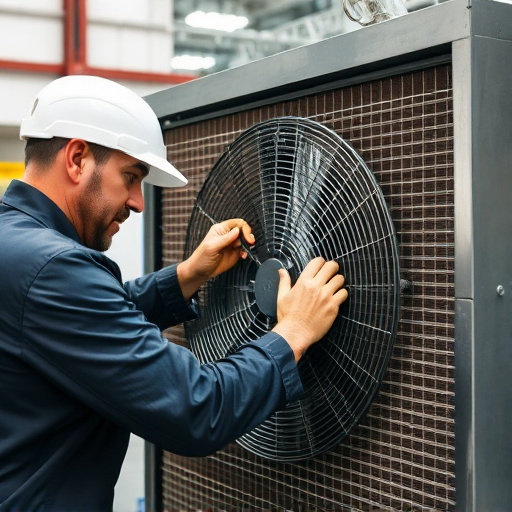
When considering whether to repair or replace your refrigerator, one crucial step is understanding when condenser coil cleaning is necessary. In South Austin, under the scorching Texas heat, a refrigerator's condenser coils can accumulate dust, dirt, and debris, leading to reduced efficiency and even failure. These coils, responsible for dissipating heat from the inside of your fridge, can become clogged over time, causing your freezer to work harder and your fridge to not cool properly.
An experienced Austin appliance repair team recommends regular cleaning of the condenser coils, especially in regions with high heat and humidity. While some issues, like a faulty thermostat or door seals, are easily identifiable and may only require simple fixes, a buildup of debris on the coils can be more subtle. If you notice your fridge is running constantly but not cooling effectively, or your freezer is taking longer than usual to freeze, it could be an indication of a dirty condenser coil. In some cases, excessive condensation on the outside of your fridge, particularly in the bottom or back panels, can also signal a need for cleaning.
Condenser coil cleaning is particularly important for maintaining the energy efficiency of your refrigerator. Clogged coils can force your appliance to consume more power, leading to higher electricity bills and reduced lifespan. Food safety is a key consideration. A poorly cooled fridge can lead to spoilage of perishable items, posing health risks. Regular cleaning can help ensure your food remains fresh and safe, which is crucial, especially during power outages or extreme weather conditions, like the Texas heat.
In some cases, if the coils are severely damaged or the overall condition of your refrigerator is questionable, it might be more cost-effective to replace the unit rather than invest in extensive repairs. However, for a South Austin resident facing a fridge not cooling during the summer, a simple condenser coil cleaning could be the solution, saving you both time and money in the long run.
Evaluate Your Refrigerator's Age and Condition
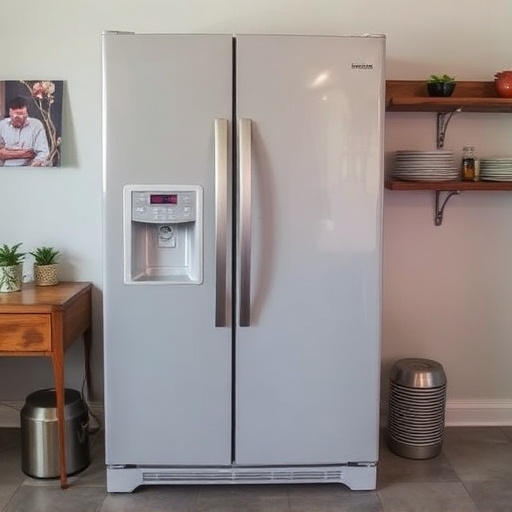
Evaluating your refrigerator's age and condition is a critical step in deciding whether to repair or replace. While a top-performing South Austin appliance repair service near MoPac can often fix a wide range of issues, from door gasket leaks to compressor failure, the cost and feasibility of repair can vary greatly depending on your unit's age and overall state.
A refrigerator's lifespan varies, but with proper care, good maintenance, and regular cleaning, including the condenser coils, many models can last 10-15 years. However, if your fridge is older than a decade, its efficiency and reliability may have diminished. Older refrigerators can be more expensive to operate, consuming more energy and putting a strain on your utility bills. Older units may have difficulty keeping food fresh and safe, especially in our hot Texas climate.
Consider the extent of the problem. If it's a minor issue, such as a noisy evaporator fan or a slight temperature fluctuation, a professional repair may be all that's needed. A simple door seal replacement or a new thermostat could resolve the issue. But if you're dealing with frequent frost buildup, repeated leaks, or a persistent power outage has left your fridge with a reduced cooling capacity, these could be signs of more significant issues. In cases like these, replacing the refrigerator might be the more practical and cost-effective option, especially if your unit is no longer under warranty.
Keep in mind that a refrigerator is a significant investment. While a repair may seem like a quick fix, the cost can add up, especially if there are other problems lurking. A leaky fridge not only wastes energy but could also cause water damage to your home. Regular maintenance, including cleaning the condenser coils, can prolong your refrigerator's life, but if the unit is beyond repair, a replacement might be the smarter, long-term choice.
Weigh Repair vs. Replacement: A Cost-Benefit Analysis

When deciding whether to repair or replace a refrigerator, a cost-benefit analysis is crucial. Start by evaluating the severity of the issue. A simple fix like condenser coil cleaning might extend the life of your unit. However, if the problem is more complex, such as a faulty compressor or a malfunctioning thermostat, replacement might be the better, more cost-effective option in the long run.
Consider the age of your refrigerator. Older models may be more expensive to repair due to the cost of parts and labor. In some cases, the repair bill could exceed the cost of a new unit, especially if energy efficiency has become a priority. An Austin appliance repair service in TX can provide insights on the repair vs. Replacement dilemma, weighing the immediate cost against potential future savings. A top-freezer refrigerator might be more affordable to repair due to its simpler design, while side-by-side models often have more intricate systems, making replacement more economical.
Food safety is also a significant factor. If your freezer is functioning but the refrigerator is not cooling, it could pose a risk to perishable items. In this case, it might be more prudent to replace the unit to ensure the integrity of your food supply. Consider the environmental impact. In hot Texas climates, a poorly cooled refrigerator can lead to increased energy consumption, negating any potential savings from repairs. Regular maintenance, including condenser coil cleaning, can extend the lifespan of your appliance, but as with any machine, there comes a time when replacement is inevitable.
The decision depends on the specific problem, the age of your refrigerator, and your budget. An experienced appliance repair team can offer expert advice tailored to your situation. If your unit is still under warranty, repairing it might be the preferred choice. But if the repair cost is comparable to a new model, and the warranty has expired, replacement could be the more strategic move. Trusting an appliance repair service in Austin TX to assess these factors can save you time and money, ensuring you make an informed decision that aligns with your needs and financial goals.
Frequently Asked Questions About a guide to deciding when to repair or replace a refrigerator
What should I do if my refrigerator is not cooling?
If your fridge is not cooling, the first step is to check the thermostat settings. Ensure it's set to the correct temperature and that it's turned on. Next, verify the power supply: check circuit breakers and fuses for any tripped or blown indicators. Common issues like a faulty evaporator fan or a bad compressor might require professional repair from Austin Appliance Masters, a local expert. It's often more cost-effective to repair than replace, especially if your fridge is still under warranty.
How do I know if it's more cost-effective to repair or replace?
The cost-effectiveness of repair versus replacement depends on several factors. Older models might be expensive to fix due to parts availability and rising parts costs. Newer refrigerators often come with extended warranties, making repairs more affordable. Consider the age and condition of your unit. If it's outdated and frequently breaking down, replacement might be the better option. Austin Appliance Masters can help you analyze repair costs and compare them to new model prices.
What are the signs that my refrigerator needs replacing?
Several signs indicate that a refrigerator replacement is necessary. Persistent temperature issues, excessive ice buildup, strange noises, or a poor seal are all red flags. If your fridge is consuming more energy than usual, exhibiting unusual behavior, or isn't maintaining a consistent temperature, it might be time for a new unit. A local repair technician can assess these issues and guide your decision.
How long does a refrigerator typically last?
The lifespan of a refrigerator varies based on factors like quality, usage, and care. On average, most refrigerators last between 10 to 15 years. High-end models with better parts and insulation can last up to 20 years. However, frequent repairs can shorten this lifespan. Regular maintenance and cleaning by an experienced team like Austin Appliance Masters can help extend the life of your unit.
What should I consider when buying a new refrigerator?
When purchasing a new fridge, consider energy efficiency, size, and features. Modern refrigerators come with various innovations like smart connectivity, water and ice dispensers, and specialized storage options. Assess your space, family size, and specific needs. Energy Star-rated models are more environmentally friendly and cost-effective in the long run. A local appliance repair company can offer insights into the latest models and energy savings.
When deciding between repairing or replacing your refrigerator, consider the underlying issues. If the problem is as simple as a dirty condenser coil, cleaning it could extend the life of your appliance. However, age and condition are crucial factors. Older refrigerators may be more prone to failure, and the cost of repairs can add up. A thorough assessment is key. Weighing the cost of repairs against the potential for future issues, especially with complex components like the compressor, can help guide your decision. Remember, a well-maintained refrigerator is essential for food safety, so regular cleaning, including condenser coil cleaning, and timely repairs can significantly impact your kitchen's efficiency and your bottom line.
When deciding between repairing or replacing your refrigerator in southern Arizona, consider these factors:
- Common Problems: Simple fixes like condenser coil cleaning (especially in dusty, hot climates) can extend life. Major issues like compressor failure or ice maker problems might signal replacement.
- Cost Analysis: Repairs vary; simple fixes cost $75-$250, while complex issues like compressor replacement can cost $300-$1,500. Weigh this against a new unit's price, considering age and energy efficiency.
- Food Safety & Efficiency: Regular maintenance prevents costly repairs. A poorly cooled fridge can spoil food, posing health risks. In hot weather, dirty coils can increase energy bills and reduce lifespan.
- Age & Condition: Older refrigerators may be less efficient and reliable. If repairs exceed new unit costs, or warranty has expired, replacement might be more strategic.
- Expert Advice: Consult an experienced local roofer for tailored guidance. They can assess problems, costs, and environmental impact to help you make an informed decision.