In any home, a refrigerator is more than just an appliance; it's a linchpin of food safety and kitchen functionality. When a fridge stops cooling, it disrupts daily life and can lead to spoilage, health risks, and costly food waste. This breakdown is often accompanied by telltale signs like a warm fridge, strange noises, or even water leaks. You might notice ice in the freezer, indicating a defrost system problem, or a persistent bad smell emanating from the unit. This article examines the root causes of a fridge not cooling, from common issues like door seals and thermostats to environmental factors and necessary maintenance. We'll guide you through the process of troubleshooting and offer insights on when to repair or replace, ensuring your fridge once again becomes a reliable keeper of your fresh produce and leftovers.
- Diagnosing Common Fridge Cooling Issues
- Understanding Fridge Temperature Controls
- Fridge Leaking Water: Causes and Solutions
- Maintenance Tips for Optimal Cooling Performance
Diagnosing Common Fridge Cooling Issues
Diagnosing the root cause of a fridge not cooling is often a multi-step process, as these issues can stem from a variety of problems. In hot environments like South Austin, where temperatures regularly surpass 90F, these challenges can be even more complex. Let's break down some common culprits, keeping in mind that a leaky fridge isn't just an annoyance-it can pose food safety risks and impact your energy efficiency.
One of the most frequent reasons for a fridge to stop cooling is a problem with the compressor, the heart of your refrigeration system. Over time, the compressor can fail due to age, dust buildup, or even an improperly sealed door. If you notice your fridge is warm to the touch and your freezer is still cold, the compressor might be failing. In this case, an appliance repair service in Austin and nearby suburbs can test and replace the compressor, a crucial repair for maintaining optimal temperature control.
Frost buildup is another common issue, especially in environments with high humidity. The defrost system is designed to melt ice, but if it's not functioning properly, excessive frost can accumulate, obstructing airflow and reducing cooling efficiency. Regular defrosting is essential, but if you're noticing frequent frost buildup, there might be an underlying problem with your defrost system. An experienced team from Austin Appliance Masters can assess and fix this issue, ensuring your fridge cools effectively.
Leaky water is a clear sign of a problem, whether it's coming from the ice maker, water dispenser, or a crack in the refrigerator's seals. Water leaks can be caused by faulty water filters, loose connections, or worn-out door seals. If you've noticed water dripping from your fridge, don't ignore it. Prompt action is crucial, as a leak can lead to further damage and energy loss. A local appliance repair company can quickly identify and repair these leaks, ensuring your fridge operates efficiently and safely.
Understanding Fridge Temperature Controls
Understanding Fridge Temperature Controls: A Key to Cool Operation
When your fridge suddenly stops cooling, it's often a sign of an underlying issue, not just a faulty thermostat. Temperature controls play a crucial role in maintaining the ideal chilling environment. These controls, often located inside the refrigerator, regulate the flow of electricity to various components, ensuring your food stays fresh. One common problem, especially in warmer environments like Westlake, is that these controls can become dirty or blocked, disrupting the cooling cycle. Dust accumulation on the evaporator coils can restrict airflow, leading to uneven temperature distribution. This is where a local Austin appliance repair company can assist, as they can clean these coils and ensure your fridge's internal components are operating efficiently.
Leakage, another issue that may cause your fridge to stop cooling, can be a result of damaged door seals or worn-out gaskets. A tiny leak might go unnoticed, but it can significantly impact energy efficiency and food safety. If water is seeping in, it could create a breeding ground for bacteria and spoil your food. Regular maintenance, such as checking and replacing door seals, can prevent these issues. If your fridge is located in a hot garage or has been through a power outage, it might take some time to adjust to the new conditions, so patience is key.
Defrosting is another critical process that ensures optimal cooling. Ice buildup can insulate the freezer, preventing cold air from reaching the fridge. Many modern refrigerators have automatic defrost systems, but manual defrosting is still necessary for older models. During defrosting, it's essential to follow safety guidelines to avoid water damage and potential electrical hazards. Regular defrosting not only improves cooling performance but also extends the lifespan of your fridge. By understanding and addressing these temperature controls and maintenance practices, you can keep your fridge running smoothly and extend its service life.
Fridge Leaking Water: Causes and Solutions
A leaking fridge can be a common household issue, often causing concern for homeowners, especially when it results in water damage or spoilt food. If your fridge is leaking water, the first step is to identify the source. One of the most frequent culprits is a faulty door gasket or condenser coils. The door gasket, which seals the fridge compartment, can degrade over time due to constant use and exposure to varying temperatures. Similarly, the condenser coils, responsible for absorbing heat from the fridge interior, can accumulate dirt and debris, hindering their efficiency.
When the door gasket is damaged, water may seep in, often visible as condensation or water pooling inside the fridge. This issue can be exacerbated by misaligned doors or improper sealing. An Austin appliance repair technician from an appliance repair company serving Austin and nearby suburbs recommends regular checks of the door seals and gaskets, as well as cleaning the condenser coils to prevent excessive moisture buildup.
If the problem is related to the ice maker or water dispenser, the leak might originate from a clogged or malfunctioning mechanism. The ice maker, for instance, uses water to form ice, and a blockage can cause water to back up and leak. Similarly, the water dispenser, whether it's for cold or filtered water, relies on precise mechanical operation. A faulty valve or broken tube could lead to leaks. In these cases, an experienced repair team can disassemble and clean the affected components or replace them if necessary.
In some instances, a fridge leak may be a sign of a more complex issue, such as a malfunctioning thermostat or a problem with the compressor. The thermostat controls the fridge's temperature, and a faulty one can disrupt the cooling cycle. The compressor, the heart of the refrigeration system, can also fail, leading to insufficient cooling and, consequently, water condensation and leaks. It's essential to consult a professional repair service to diagnose and address these issues, ensuring your fridge is restored to optimal working condition and food safety is maintained.
Maintenance Tips for Optimal Cooling Performance
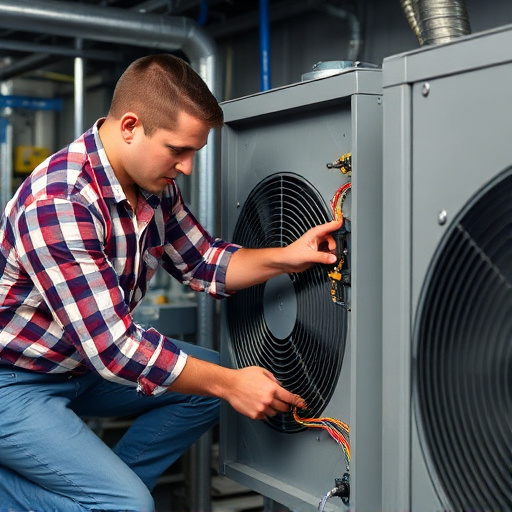
Maintaining your refrigerator is crucial, especially in the Texas heat where optimal cooling performance is a matter of food safety and energy efficiency. One common issue, and a clear sign of potential trouble, is when your fridge starts to leak water. This isn't always a major crisis; small drips can sometimes be attributed to condensation or poorly seated doors. However, persistent or significant leaks can indicate problems with the door seals, the evaporator fan, or even the compressor.
Regular maintenance can help prevent these issues. First, check your door seals for any cracks or damage. Over time, these seals can become worn, allowing warm air to enter and disrupting the cooling cycle. A simple solution is to clean the seals with a mild detergent; if they're severely damaged, they may need to be replaced. Next, ensure the evaporator fan is functioning properly. This fan circulates cold air throughout the fridge, and its malfunction can lead to uneven cooling and, eventually, frost buildup. A stuck or broken fan can be a serious problem, often requiring professional repair from a South Austin appliance repair service near MoPac.
Another crucial aspect is to keep your fridge away from heat sources. In a hot climate like ours, placing it in direct sunlight or near a heating vent can significantly impact its performance. Aim for a cool, level location, and avoid placing hot objects or liquids inside, as they can disrupt the internal temperature. Lastly, don't forget to change your fridge's water filter regularly. A dirty filter can restrict water flow to the ice maker or water dispenser, leading to inefficient cooling and other issues. Regular filter changes not only ensure optimal cooling performance but also extend the lifespan of your refrigerator, saving you money in the long run and preserving your food's freshness.
Frequently Asked Questions About an explainer on why a fridge stops cooling
Why does my fridge suddenly stop cooling? A sudden stop in cooling can be attributed to several factors. Most commonly, it's due to a faulty thermostat, which regulates the temperature inside the fridge. Other possibilities include an issue with the compressor, which circulates refrigerant and cools the unit, or a problem with the evaporator coils, which can become iced over and impede airflow. An experienced Austin appliance repair technician from a local service like Austin Appliance Masters can diagnose the issue accurately.
How can I tell if the problem is with the compressor? Look for signs of unusual noises coming from the fridge, such as grinding or clicking sounds. If the compressor isn't engaging, or if it shuts off abruptly, it could indicate a problem with the compressor itself, the control board, or the starter relay. A professional will often check voltage levels and run tests to pinpoint the issue.
What causes the evaporator coils to ice over? Evaporator coils can ice over due to several reasons. Poor air circulation, caused by a dirty or blocked vent, can lead to excessive moisture buildup on the coils, causing them to freeze. Insufficient cooling, often due to a faulty thermostat or compressor, can also lead to icing. Regular cleaning and maintenance by an appliance repair service can prevent this.
How long does it typically take to repair a fridge that's not cooling? Most installations take one to two days, depending on the issue. An Austin appliance repair team will first diagnose the problem, then order and install the necessary replacement parts. In some cases, a simple adjustment or cleaning may be all that's needed.
What should I do if the fridge is still not cooling after repair? If the fridge still isn't cooling after repair, it could indicate a more complex issue. It could be a problem with the wiring, the water supply (for ice makers), or even the door seals, which need to be tight for optimal cooling. In such cases, a thorough inspection by a professional is recommended.
Is it possible to prevent a fridge from stopping to cool altogether? Regular maintenance can significantly reduce the likelihood of a fridge stopping to cool. This includes keeping the coils clean, ensuring proper ventilation, and checking door seals for damage or misalignment. A local appliance repair company can provide maintenance tips and services to keep your fridge running smoothly.
Can I fix a fridge that's not cooling myself? While some basic troubleshooting is within the capabilities of a DIYer, complex repairs are best left to professionals. Attempting to fix a fridge yourself could void the warranty and, in some cases, lead to further damage. An appliance repair service in Austin TX, like Austin Appliance Masters, has the tools and expertise to handle most issues effectively.
In addressing the common issue of a fridge not cooling, this article has highlighted several key areas of focus. First, understanding the primary culprits behind the problem, such as leaky door seals, faulty thermostats, or a struggling compressor, is crucial for effective troubleshooting. Second, recognizing the role of environmental factors, like Texas's hot climate, in affecting cooling performance, allows homeowners to make informed decisions about maintenance and timing of repairs. Third, addressing specific issues like fridge leaking water points to deeper problems, such as frost buildup or condenser coil grime, which require tailored solutions.
By maintaining your fridge regularly-including cleaning the coils and replacing door seals as needed-you can significantly extend its lifespan and ensure food safety during power outages or extreme temperatures. Knowing when to repair or replace your unit based on its age, energy efficiency, and repair cost can save you money in the long run.
Diagnosing and resolving fridge cooling issues involves a combination of understanding common problems, considering environmental impacts, and performing routine maintenance. The next time your fridge isn't keeping its cool, refer to these insights to tackle the issue efficiently and keep your food fresh and safe.
A fridge not cooling can stem from various issues, from compressor failure and frost buildup to leaky doors or components. In hot environments like South Austin, these problems can be more complex. Regular maintenance, such as checking door seals and filters, is crucial. Prompt action on leaks is essential to prevent damage and ensure food safety. An experienced appliance repair team can diagnose and fix these issues, extending your fridge's lifespan and maintaining optimal temperature control.