
Regular maintenance ensures your refrigerator's longevity, safety, and efficiency. Clean every 3-4 months, inspect door seals for damage, maintain optimal temperature settings (37-40°F), organize food for improved airflow, defrost regularly to prevent energy waste, and troubleshoot common issues like thermostat debris, leaking seals, or unusual noises to avoid costly Refrigerator Repair.
Maintaining your refrigerator is essential for ensuring optimal food preservation and avoiding costly repairs. Over time, even the most well-maintained units can face issues, leading to expensive refrigerator repair or worse, premature replacement. This comprehensive guide offers proven tips designed by professionals to help you maximize your fridge’s performance and longevity. From regular cleaning routines to understanding common problems, these strategies will equip you with the knowledge to keep your kitchen’s cornerstone operating smoothly.
- Clean Regularly for Freshness and Hygiene
- Check Seal for Energy Efficiency and Performance
- Maintain Optimal Temperature Settings
- Organize Food Properly to Maximize Space
- Prevent Frost Buildup for Efficient Cooling
- Troubleshoot Common Refrigerator Repair Issues
Clean Regularly for Freshness and Hygiene

Regular cleaning is an essential aspect of maintaining your refrigerator’s optimal performance and ensuring food safety. A clean refrigerator not only extends the life of your appliance but also preserves the freshness of your groceries. Over time, food residues, spills, and buildup can accumulate in hard-to-reach corners and shelves, fostering bacterial growth and compromising the overall hygiene of your fridge. It is recommended to clean your refrigerator every three to four months or whenever you notice any significant spills or odors.
The process involves several practical steps. Start by removing all food items and checking expiration dates. Discard any perishable goods that have passed their prime. Next, wipe down the interior surfaces with a mixture of warm water and mild dish soap, ensuring you clean both visible areas and hard-to-reach nooks. Pay special attention to seals and gaskets, as these are common areas for dirt and grime buildup. After cleaning, rinse thoroughly with clean water and dry with a lint-free cloth or paper towel. For stubborn stains, consider using white vinegar or baking soda solutions. These natural cleaners are effective and safe for your fridge’s surfaces.
In the event of persistent odors or signs of refrigerator repair issues, it’s crucial to address them promptly. Regular cleaning can prevent larger problems down the line. Data from appliance service centers shows that a significant number of refrigerator repair calls are related to odor retention and food spoilage, often stemming from inadequate maintenance. By maintaining a consistent cleaning routine, you can avoid these issues, ensuring your fridge functions at its best and keeps your food fresh for longer.
Check Seal for Energy Efficiency and Performance

One of the key aspects of maintaining your refrigerator for optimal performance is regularly checking its seal. A refrigerator’s door seal not only ensures that cold air stays in and warm air stays out but also plays a significant role in energy efficiency. According to studies, a poorly sealing door can lead to up to 20% more energy usage than a well-sealed model. This means higher utility bills and increased carbon footprint without even realizing it. Regular checks for any tears or cracks in the seal are crucial. Over time, seals can become worn out and need replacement, which is not as simple as a quick fix but requires professional refrigerator repair services to ensure proper installation.
When conducting your check, close the door gently and try to slide a piece of paper between the door edge and seal. If it slides in easily or gets stuck, these are indicators that the seal needs attention. It’s also important to note that some modern refrigerators have different sealing mechanisms, such as magnetic strips instead of traditional rubber seals. These still require periodic inspection for any signs of damage or misalignment. Regular maintenance can not only extend the lifespan of your refrigerator but also ensure it operates at peak performance, keeping your food fresh and your energy costs under control.
Moreover, keeping the seal clean and free from debris is equally important. Dirt or grime buildup can affect the seal’s ability to create a proper barrier against air leaks. Using warm, soapy water and a soft cloth to wipe down the seal and its surrounding area can help maintain its integrity. This simple step often goes overlooked but makes a significant difference in energy efficiency. Remember, even minor issues with door seals can lead to considerable losses in cold air, thus enhancing the workload of your refrigerator’s cooling system. Therefore, regular checks and prompt action on any issues are vital for both optimal performance and energy conservation.
Maintain Optimal Temperature Settings

Maintaining optimal temperature settings in your refrigerator is a key aspect of ensuring its peak performance and longevity. The ideal temperature range for a refrigerator is between 37-40°F (3-4°C). This precise control is crucial for preserving food safety and quality. Exceeding these limits can lead to spoilage, bacterial growth, and even refrigerator repair issues. Modern refrigerators come with adjustable settings, allowing you to fine-tune the temperature for different compartments. For example, setting a slightly lower temperature in the freezer section helps prevent ice buildup, which can block air vents and impact overall efficiency. Regularly checking and calibrating these settings ensures your refrigerator operates efficiently, conserving energy and maintaining optimal conditions for your food.
Proper temperature management also involves understanding the placement of food items. Place perishable items like meat, dairy, and produce in the coolest parts of the refrigerator, typically the bottom shelves. This ensures even cooling and minimizes temperature fluctuations. Avoid overloading the refrigerator, as it can block air circulation, leading to hot spots and temperature variations. Spacing food items adequately allows air to circulate freely, maintaining consistent cooling. Regularly cleaning and organizing the refrigerator helps maintain this optimal environment.
In the event of unusual temperature readings or noticeable performance issues, it’s essential to consult a professional. Refrigerator repair experts can diagnose problems, from faulty thermostats to faulty evaporator coils. Regular maintenance checks, including cleaning the coils and checking for leaks, are preventive measures that can save you from costly repairs and ensure your refrigerator continues to operate at its best. By adhering to these practices, you’ll extend the lifespan of your refrigerator and maintain a reliable food storage solution.
Organize Food Properly to Maximize Space

Organizing food properly within your refrigerator is a key strategy to maximize space and ensure optimal performance. An efficient layout not only prevents food from going bad due to inadequate airflow but also makes it easier to find items, reducing time spent searching. Consider grouping similar foods together, such as placing dairy products in one section, vegetables and fruits in another, and leftovers or prepared meals in easily accessible drawers or bins. Utilize every inch of space available; for example, vertical storage solutions like shelves or hanging organizers can harness the space along the doors, which is often underutilized.
Regularly reviewing and adjusting your refrigerator’s organization is essential. As items are added or used, make sure that frequently accessed foods aren’t buried at the back, causing inconvenience. Seasonal changes also impact what you keep in your refrigerator; for instance, during summer, more produce might be needed, while winter could see an increase in canned goods and frozen items. This dynamic nature requires a flexible approach to organization. Moreover, keeping labels on containers and using clear bins or bags helps maintain order and makes it simple to identify contents quickly, reducing waste due to forgotten items.
Overcrowding is a common issue that can lead to poor air circulation and potential refrigerator repair issues. A well-organized fridge ensures optimal temperature control, minimizing the risk of food spoilage. Data shows that proper airflow can extend the shelf life of perishable goods by up to 50%. Therefore, maintaining an uncluttered space is not just about aesthetics; it’s a practical strategy for food preservation and cost savings. Regularly clearing out expired items and old leftovers will contribute to a healthier, more efficient refrigerator environment.
To maintain this system, allocate specific time slots for organizing your refrigerator, perhaps during meal planning or grocery shopping sessions. With consistent effort, you’ll find that your fridge operates more efficiently, reducing energy consumption and keeping your food fresher for longer. Remember, proper organization is not just about aesthetics; it’s a key aspect of maintaining optimal refrigerator performance and minimizing potential repair costs.
Prevent Frost Buildup for Efficient Cooling

Preventing frost buildup is a key strategy for maintaining your refrigerator’s optimal performance. Over time, frost can insulate the cooling system, reducing its efficiency and leading to higher energy consumption. Regular defrosting is crucial, especially in regions with colder climates where ice accumulation occurs more frequently. It’s recommended to manually defrost your unit at least once every three months, or as needed, to ensure it operates efficiently. For instance, a study by the U.S. Department of Energy found that regular maintenance, including timely defrosting, can save up to 15% on energy bills over five years.
To prevent frost buildup naturally, start by ensuring proper air circulation within the refrigerator. Check for obstructions in vents or condensers and maintain a safe distance from walls to allow for adequate airflow. Regular cleaning of the coils beneath the fridge is another vital step. Dust and debris can accumulate here, hindering cooling effectiveness. Many modern refrigerators have self-defrosting mechanisms, but even with these features, manual intervention every so often is necessary, especially in areas with higher humidity levels.
If frost accumulation becomes excessive, consider professional refrigerator repair services. Skilled technicians can diagnose and address underlying issues, such as faulty heating elements or inadequate cooling controls, that contribute to persistent ice buildup. Regular maintenance contracts with appliance experts are beneficial for preventing major breakdowns and ensuring your fridge remains a cornerstone of efficient food preservation in your kitchen.
Troubleshoot Common Refrigerator Repair Issues
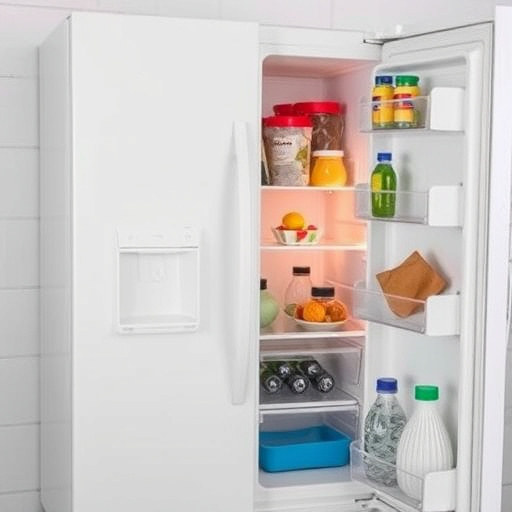
Troubleshooting common refrigerator repair issues is a crucial aspect of maintaining optimal performance. One of the most frequent problems is temperature control malfunction, often due to faulty thermostats or temperature sensors. For instance, if your refrigerator is consistently running but not cooling adequately, check these components for any debris or damage. A simple cleaning or replacement can resolve such issues, preventing costly Refrigerator Repair.
Another common issue is a leaking seal or door. Over time, the rubber gasket around the door can deteriorate, allowing cold air to escape and warm air to enter, disrupting the refrigerator’s energy efficiency. To address this, regularly inspect the seal for tears or cracks and clean any debris buildup. If the problem persists, consider professional inspection as it might require more advanced Refrigerator Repair techniques.
Unusual noises, such as grinding or clicking sounds, often indicate problems with the motor or gears. These sounds could signal a worn-out part needing replacement. For instance, a noisy compressor might suggest bearing wear, which can lead to significant damage if left unattended. Regular maintenance, including lubricating moving parts and checking for debris, can prevent these issues from escalating, ensuring your refrigerator operates smoothly without the need for extensive Refrigerator Repair.
By consistently cleaning your refrigerator regularly, checking seals for efficiency, setting optimal temperatures, organizing food wisely, preventing frost buildup, and being prepared to troubleshoot common issues, you can ensure your refrigerator maintains peak performance. These straightforward tips not only enhance freshness and hygiene but also save energy, optimize space utilization, and prevent costly Refrigerator Repair. Embrace these practices for a healthier, more efficient kitchen appliance that serves you well for years to come.

