This site is a guide to refrigerator repair: how a refrigerator keeps food cold, the problems that show up most often, which checks you can do yourself, when a problem needs a technician, and how to decide whether a repair is worth it. The articles below go into specific parts and symptoms. This page is the overview.

How a refrigerator works
A refrigerator moves heat out of the cabinet rather than “making cold.” A compressor pumps refrigerant through coils: the evaporator coils inside absorb heat, and the condenser coils outside, usually under or behind the unit, release it into the room. Fans move air across both sets of coils and between the freezer and fresh-food sections. A defrost system periodically melts frost off the evaporator, and the water drains to a pan where it evaporates. Problems anywhere in that loop show up as warm food, frost or leaks.
Common problems and likely causes
Not cold enough
- Dirty condenser coils that can’t release heat.
- Blocked air vents inside, often from overpacked shelves.
- A failed condenser or evaporator fan.
- A defrost failure that has iced over the evaporator.
- Door gaskets that no longer seal.
- Less often, a compressor or sealed-system problem.
Frost buildup
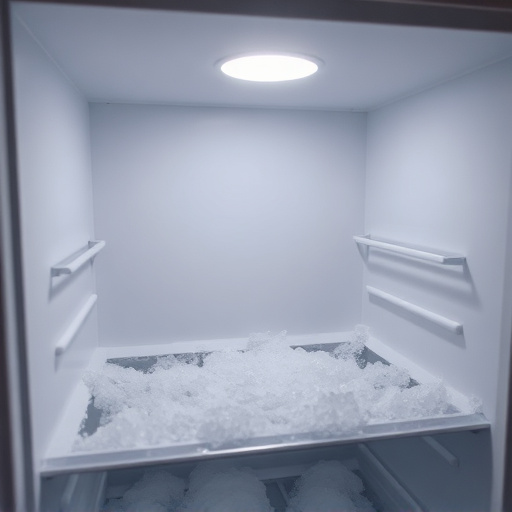
Heavy frost in the freezer usually means warm, humid air is getting in through a bad door seal, or the defrost system isn’t working. See freezer frost and when to repair or replace.
Water leaks
Water under or inside the refrigerator often comes from a clogged defrost drain, a cracked drain pan, or a leaking water line to the ice maker or dispenser.
Noises
Clicking, buzzing, rattling or squealing can come from fans, the compressor, the defrost timer, or the drain pan. A change in sound is worth paying attention to.
Ice maker and dispenser problems
Usually a clogged water filter, low water pressure, a frozen fill tube, or a failed inlet valve.
Checks you can do yourself
- Check the temperature with an appliance thermometer. The fresh-food section is typically kept at or below 40°F and the freezer at 0°F.
- Check the settings and make sure nothing was bumped.
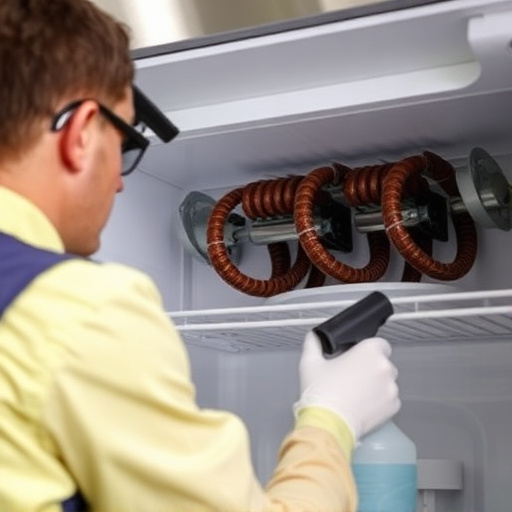
- Clean the condenser coils with a coil brush or vacuum (unplug first).
- Clear vents inside so air can circulate.
- Test the door gaskets: close the door on a sheet of paper. If it slides out easily, the seal may need cleaning or replacement. See refrigerator door gasket repair.
- Replace the water filter if ice or water flow has slowed.
- Listen for fans running when the compressor is on.
Always unplug the refrigerator before cleaning coils or removing panels.
When to call a technician
- The compressor runs constantly but the unit stays warm.
- The compressor doesn’t run at all, or clicks on and off.
- You suspect a refrigerant leak or sealed-system problem; those repairs require certified technicians.
- The defrost system has failed and frost keeps returning.
- Electrical components such as control boards need replacing.
Repair or replace?
Many repairs, such as fans, defrost parts, thermostats, door gaskets and water valves, are relatively affordable and worth doing. A sealed-system repair on an older refrigerator is often not. A useful way to decide: compare the repair cost to the price of a comparable new model, and consider the refrigerator’s age and how many times it has needed service. Newer models listed by ENERGY STAR can use noticeably less electricity than older units. See refrigerator repair and energy savings.
Keeping food safe during a breakdown
- Keep the doors closed as much as possible; a closed refrigerator stays cold for a few hours.
- Move perishables to a cooler with ice if the repair will take time.
- Use a thermometer to check food temperatures, and discard perishables that have been above safe temperatures for too long.
Preventive maintenance
- Clean condenser coils a couple of times a year.
- Wipe door gaskets regularly and check that they seal.
- Don’t overpack shelves or block vents.
- Replace water filters on schedule.
- Leave space around the refrigerator for airflow.
See regular refrigerator maintenance and maintaining optimal refrigerator performance.
Parts and service
When parts are replaced, ask whether they’re genuine manufacturer parts and what warranty they carry. Check whether the refrigerator is still under warranty before paying for a repair, and look up your model for safety recalls through the U.S. Consumer Product Safety Commission. See quality parts for long-lasting repairs.
Brand-specific guides cover GE and LG appliance repair, and the Austin appliance repair guide covers other appliances. For the basics in one place, see the complete guide to refrigerator repair. The newest articles on this site are listed below.
Category: Refrigerator Repair
When to Repair or Replace: Freezer Frost & Beyond
Read more →Refrigerator Repair — Complete Guide
Read more →
Master Refrigerator Repair: Quality Parts for Longevity
Refrigerator repair requires a systematic approach. Technicians must accurately diagnose issues, ass.......
Read more →
Maintain Refrigerator Optimal Performance: Essential Tips & Repair
Regular maintenance ensures your refrigerator's longevity, safety, and efficiency. Clean every.......
Read more →

Mastering Refrigerator Repair: Techniques for Reliable Service
Refrigerator repair demands a skilled technician with specialized tools and knowledge. Essential ski.......
Read more →
Refrigerator Repair: Launching Efficient Energy Savings Journey
Assessing energy consumption in households is vital for cost savings and sustainability. Refrigerato.......
Read more →

Sealing Energy Efficiency: Refrigerator Door Repair & Replacement Guide
Door sealing is key to home energy efficiency, saving up to 20% on heating/cooling costs. Regular ma.......
Read more →

Regular Maintenance: Key to Longevity of Your Refrigerator
Regular maintenance extends refrigerator lifespan up to 50%, saves costs, and enhances energy effici.......
Read more →

Master Thermostat Replacement for Accurate Home Climate Control
Understanding thermostats is crucial for effective temperature control, including Refrigerator Repai.......
Read more →