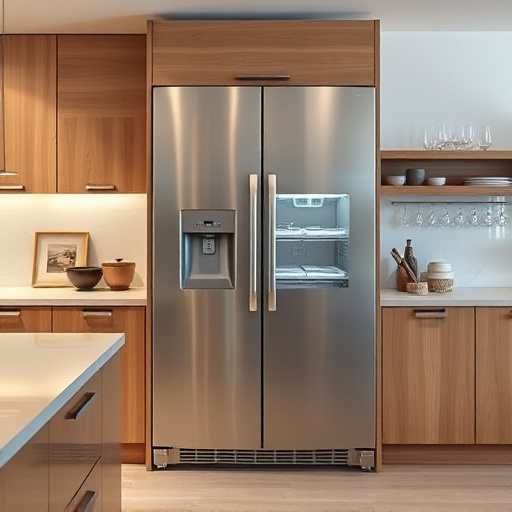
In the scorching Texas heat, keeping your food fresh and safe becomes a critical challenge for every homeowner. The constant high temperatures put a strain on your refrigerator and freezer, raising concerns about their performance and longevity, especially when it's not cooling properly. When your fridge fails, not only do you face the hassle of spoiled food, but food safety becomes a genuine concern. This article examines the intricate relationship between Texas's harsh climate and your kitchen appliances, offering insights into common problems, environmental factors, and practical solutions to ensure your refrigerator and freezer remain reliable, efficient, and safe.
- Understanding Texas Heat's Impact on Refrigeration
- Identifying Common Fridge Malfunctions in Hot Weather
- Ensuring Food Safety When Refrigerators Fail
- Proactive Measures for Hot Weather Appliance Maintenance
Understanding Texas Heat's Impact on Refrigeration
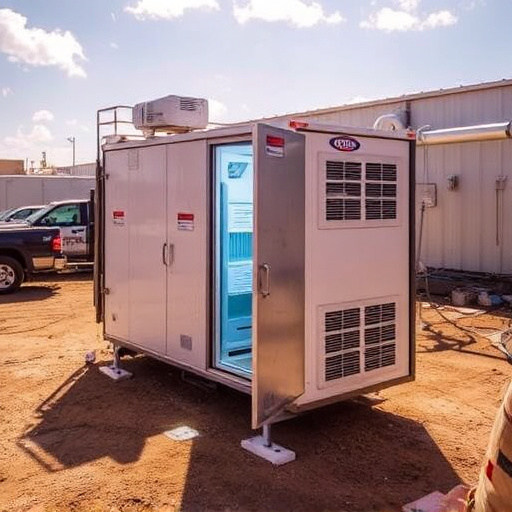
Texas, with its scorching heat and high humidity, presents unique challenges for refrigeration systems. When the weather turns extreme, the performance of refrigerators and freezers can be significantly impacted, potentially affecting food safety when a fridge fails. This is particularly true for residents in areas like South Austin, where the summer temperatures often exceed 100F (38C).
The primary culprit during such hot conditions is the increased strain on the compressor. In an attempt to maintain a cool interior, the compressor works overtime, leading to increased energy consumption and potential wear and tear. The heat can cause issues with the defrost system, as frequent cycles can lead to excessive energy usage and, over time, more frequent repairs. A top-freezer refrigerator might struggle to keep the freezer cold, prompting users to open the doors more often, which further compromises the temperature control.
Regular maintenance becomes even more critical in these conditions. An appliance repair service in Austin TX recommends scheduling frequent checks to ensure that the condenser coils are free of dust and debris, as this can block airflow and reduce efficiency. Door seals should also be in top condition to prevent warm air from entering and cold air from escaping. Regular cleaning of these components can extend the lifespan of your refrigerator, especially during extreme weather. If you notice any unusual noises, leaks, or frost buildup, it's advisable to contact a local Austin appliance repair technician. They can perform thorough troubleshooting, offering solutions for issues like a malfunctioning thermostat, a faulty evaporator fan, or a worn-out door seal, all of which can contribute to food safety when a fridge fails.
Identifying Common Fridge Malfunctions in Hot Weather
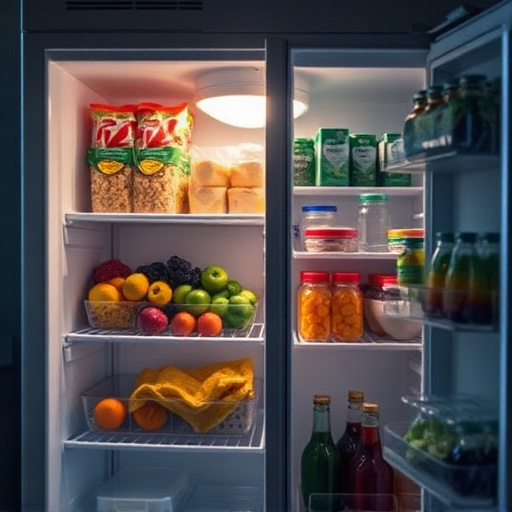
In the sweltering Texas heat, a refrigerator's struggle to maintain a cold temperature is a common concern. When the outdoor temperature soars, it can significantly impact the performance of your fridge, leading to potential malfunctions. This section examines the specific challenges that hot weather poses to refrigerators and offers insights into recognizing and addressing common issues.
One of the primary indicators of a problem is when your once-cool fridge starts to warm up. This could be due to a variety of factors, including a malfunctioning compressor, which is responsible for circulating refrigerant and cooling the interior. In extreme heat, the compressor might strain to keep up, resulting in reduced efficiency and a warmer fridge. Another culprit could be an issue with the thermostat, which regulates the temperature inside the appliance. An experienced Austin appliance repair team often finds that a faulty thermostat can cause the fridge to run constantly, leading to increased energy consumption and potential food safety risks when temperatures fluctuate.
Defrosting is another critical aspect affected by the heat. Automatic defrost systems use a heating element to melt ice buildup, ensuring efficient cooling. However, in hot climates, these systems may not work as effectively, causing ice to accumulate faster. Regular cleaning of the condenser coils, located at the back of the fridge, is essential to prevent excessive heat buildup. Over time, these coils can become covered in dust and debris, hindering airflow and reducing cooling performance. An Austin refrigerator repair service may recommend periodic cleaning to mitigate these issues.
Hot weather can expedite the growth of mold and bacteria, especially in areas with poor airflow or visible water leaks. If your fridge is leaking water, whether from a faulty water dispenser or a seal issue, it can create a breeding ground for harmful pathogens. This not only compromises food safety when a fridge fails but also increases the likelihood of further damage to your appliance. Regular maintenance, prompt repair of leaks, and ensuring adequate ventilation are key to preventing these problems, especially in the Texas heat.
Ensuring Food Safety When Refrigerators Fail
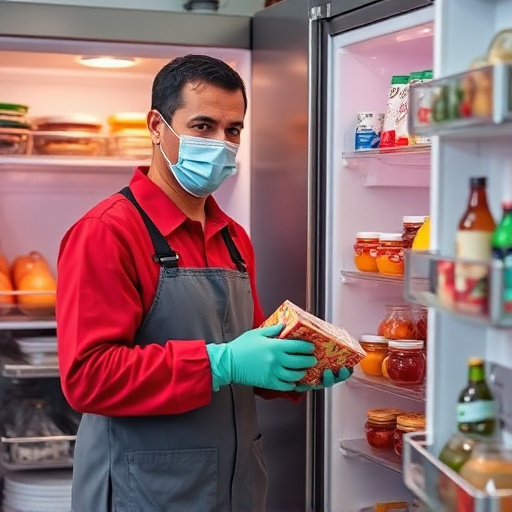
The Texas heat presents a unique challenge for your refrigerator and freezer, potentially impacting their performance and, more importantly, the safety of the food stored within. When the temperature soars, these appliances work overtime to maintain the cold storage conditions necessary for preserving freshness. This increased effort can lead to various issues, from increased energy consumption and noise to potential breakdowns.
In the sweltering South Austin summer, a failed refrigerator is more than just an inconvenience; it's a food safety hazard. If your fridge is not cooling properly, it can't prevent spoilage, bacterial growth, or the rapid defrosting of your frozen foods, including that trusty ice maker. A top-freezer model, common in many South Austin homes, relies on a system of coils and fans to distribute cold air. If the coils become dirty or blocked, or the fan stops working, the freezer might still function, but the fridge will struggle to maintain a safe temperature. This is when you must take action to ensure food safety when a fridge fails.
Regular maintenance, such as cleaning the condenser coils and checking door seals, is crucial. If the fridge is located in a particularly hot area, like a garage, or experienced a power outage, these tasks become even more critical. Austin Appliance Masters, a local South Austin service, emphasizes the importance of timely repairs. A simple issue like a leaky door seal or a faulty thermostat can be resolved relatively easily, preventing a more extensive and costly repair down the line. They also recommend checking the water filter, as a dirty one can restrict water flow to the ice maker and dispenser, causing further complications. By addressing these potential problems quickly, you can maintain the integrity of your food supply and extend the lifespan of your refrigerator.
Proactive Measures for Hot Weather Appliance Maintenance
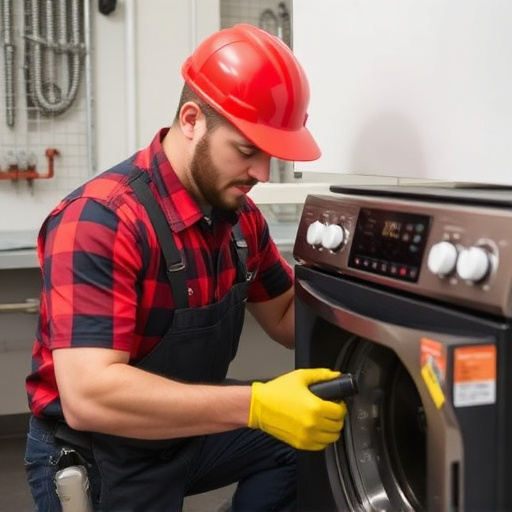
The Texas heat can present unique challenges for refrigerator and freezer maintenance. As temperatures soar, so does the risk of appliance failure, particularly for units already struggling with age or pre-existing issues. Proactive measures are crucial to ensure food safety when a fridge fails, especially during the hottest months. An experienced Austin appliance repair team often encounters increased calls during these periods, highlighting the need for regular care and attention.
One of the first lines of defense against heat-related failures is maintaining proper ventilation. Ensuring your refrigerator is not placed in direct sunlight or in a hot garage is essential. Similarly, keeping the area around the appliance clear of obstructions allows for adequate air circulation, which is vital for cooling performance. In Westlake and other hot climates, this simple step can significantly extend the lifespan of your unit.
Regular cleaning, especially of the condenser coils and door gaskets, is another critical aspect. Condenser coils, responsible for drawing heat from the interior, can become clogged with dust and debris, impacting their efficiency. A buildup of lint or other particles on the door gasket can also compromise the seal, leading to energy inefficiency and potential food safety risks if the fridge is not cooling properly. An Austin appliance repair technician recommends scheduling professional cleaning services at least once a year to prevent these issues, especially in areas with high humidity and temperature fluctuations.
Frequently Asked Questions About a Look at How Texas Heat Affects Refrigerators and Freezers
What is the primary effect of high Texas temperatures on refrigerators and freezers?
High heat can strain the components of your refrigerator and freezer, especially the compressor and cooling system. While modern appliances are designed for efficiency, prolonged exposure to 90+ degree heat can cause them to work harder, leading to increased energy consumption, reduced lifespan, and even failure. Regular maintenance is crucial in hot climates like Texas to ensure these appliances remain reliable.
Will my refrigerator or freezer break down more often in Texas's heat?
While extreme heat can contribute to increased repair frequency, it's not a guaranteed outcome. Regular servicing and high-quality appliances designed for heat tolerance can mitigate these risks. However, the potential for issues like ice buildup, reduced cooling performance, and power surges due to heat-related stress is higher in hot environments.
How does humidity in Texas impact my cooling appliances?
High humidity, common in Texas during the summer, can compound cooling challenges. Moisture can accumulate inside appliances, leading to mold growth, mildew, and reduced efficiency. Dehumidifiers and proper ventilation can help, but the best approach is to ensure adequate air circulation around your refrigerator and freezer.
Are there specific signs to look out for if my refrigerator is struggling in the heat?
Keep an eye out for these telltale signs: excessive ice buildup, uneven cooling (one section colder than the rest), strange noises, frequent power surges, and food spoilage. Prompt attention to these issues can often prevent more serious damage.
What's the best way to prepare my refrigerator and freezer for Texas summers?
Regular cleaning, including defrosting freezers, keeping vents clear of obstructions, and ensuring proper drainage, is essential. Consider upgrading to energy-efficient models designed for warm climates if your appliances are older. Lastly, schedule routine maintenance checks with a qualified technician.
Should I invest in a special cooling system for my refrigerator or freezer?
For extreme heat conditions, dedicated cooling systems designed for commercial settings might be suitable, but they're often overkill for residential use. Upgrading to energy-efficient appliances and implementing proper maintenance routines usually provides adequate protection.
As Texas' heat intensifies, understanding how these extreme conditions impact your refrigerator and freezer becomes paramount. This article has provided a practical guide to navigating the challenges of hot weather on your refrigeration systems. By identifying common malfunctions like a fridge not cooling, freezer working but fridge warm, or even ice maker not working, you can proactively address issues before they compromise food safety when a fridge fails.
The key takeaways are clear: regular maintenance, including condenser coil cleaning and door seal replacement, is crucial for hot weather. Proactive measures such as ensuring proper ventilation and avoiding placement in hot garages are essential to extend the lifespan of your appliances. Being aware of the signs of a failing compressor or thermostate can help you decide whether to repair or replace your refrigerator.
Moving forward, remember that food safety when a fridge fails is not just about replacing the appliance quickly. It involves understanding the root causes of malfunctions and taking appropriate action. By following these guidelines and learning from the insights provided, you can keep your food fresh, extend the life of your appliances, and avoid costly repairs.
In extreme Texas heat, refrigerators struggle to maintain performance, impacting food safety when a fridge fails. Key issues include increased energy consumption, strain on the compressor, defrost system problems, and mold/bacteria growth. Regular maintenance-cleaning coils, checking seals, troubleshooting thermostats-is vital. Prompt repairs prevent further damage and ensure the safety of your food, especially during summer's peak.