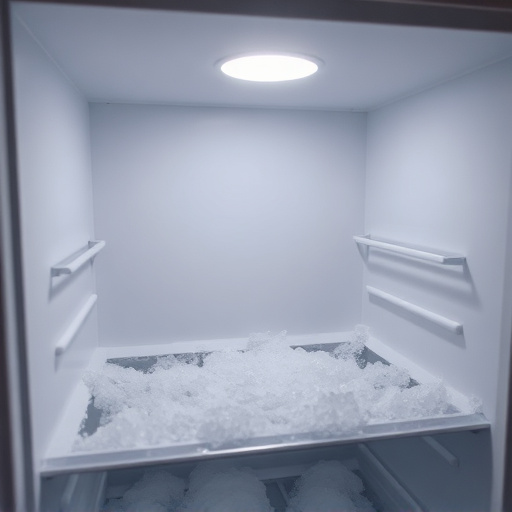
In the scorching Southwest, keeping perishable goods fresh is paramount, making your refrigerator a critical appliance. Yet, many homeowners in our region face unique challenges, especially when their fridge is located in a hot garage. This guide examines the diverse refrigerator types, their specific maintenance needs, and common issues like compressor failures, door seal leaks, and frost buildup. We'll explore practical troubleshooting tips and when to consider repair or replacement, ensuring your food stays safe and your fridge operates efficiently, even in the face of New Mexico's intense heat.
- Understanding Refrigerator Types and Their Needs
- Common Fridge Issues in Hot Garages
- Diagnosing and Repairing Refrigerator Malfunctions
- Maintenance Tips for Long-Lasting Fridge Performance
Understanding Refrigerator Types and Their Needs
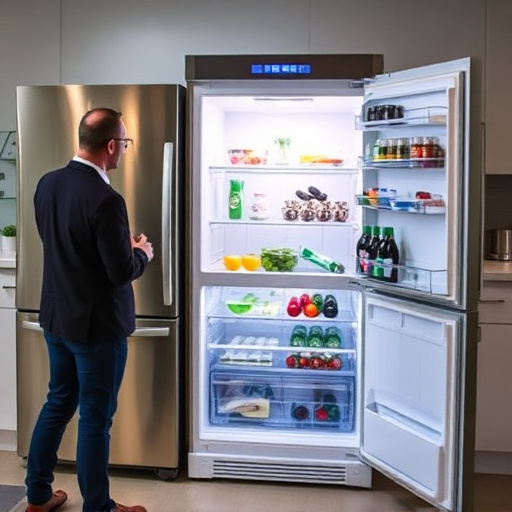
Refrigerators come in various types, each with unique features and maintenance requirements. When considering a fridge in a hot garage, these differences become even more critical. Side-by-side refrigerators, popular for their convenience, might require additional attention to door gaskets in warmer climates to prevent leaks.
Condenser coils, responsible for cooling the interior, can be more prone to dust buildup in dry, hot environments, necessitating regular cleaning. The same goes for evaporator fans, which circulate cool air throughout the fridge. A top-freezer model, common in many RV parks and homes, may present specific challenges, such as ice maker and water dispenser issues, requiring separate attention.
In hotter regions, maintaining food safety becomes paramount. A fridge not cooling properly can quickly pose risks, especially with perishable items. Regular checks for door seal integrity and proper insulation are crucial. A French door fridge, with its bottom freezer access, may be more susceptible to temperature fluctuations if not maintained correctly.
When faced with a fridge in a hot garage, consider the expertise of local professionals like Austin Appliance Masters. They can provide tailored advice, from replacing door gaskets to cleaning condenser coils, ensuring your refrigerator functions optimally in any climate. Regular maintenance, including defrosting (especially in frost-prone models) and checking for water filters, can extend the lifespan of your appliance.
Common Fridge Issues in Hot Garages
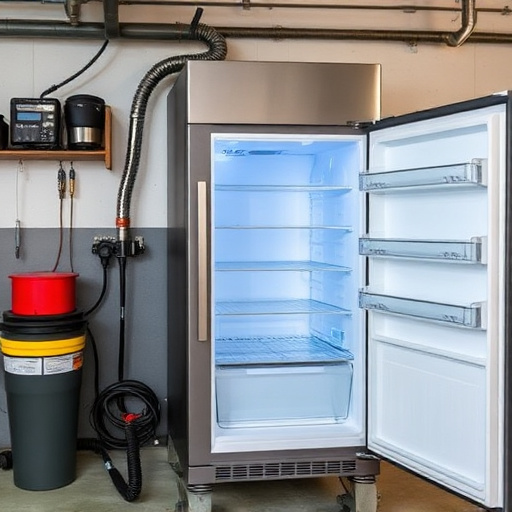
In hot climates like those experienced in southwest New Mexico, maintaining the proper temperature in your refrigerator, especially when stored in a hot garage, becomes a significant challenge. Garages, often exposed to intense Texas heat, can push the limits of your fridge's cooling capabilities. When a fridge struggles to maintain cold temperatures in such conditions, several common issues may arise.
One of the primary culprits is excessive heat buildup inside the unit. Unlike air-conditioned spaces, hot garages offer little protection from the sun's radiant heat. This external heat, coupled with poor insulation, can cause the refrigerator's internal temperature to rise, leading to reduced cooling efficiency. A poorly sealed door gasket, for instance, can allow warm air to seep in, further exacerbating the problem. Over time, this can result in frost buildup on the evaporator coils, obstructing airflow and reducing the system's ability to cool effectively.
Regular maintenance is crucial to prevent these issues. Ensuring the door gasket is in good condition and properly sealed is a simple yet effective step. Regular defrosting, especially in regions with prolonged hot spells, prevents ice from accumulating on the coils, which can block airflow and lead to compressor failure. An appliance repair service in Austin, TX, for example, often recommends periodic defrosting and gasket checks to ensure optimal performance, especially for units stored in garages. Keeping the fridge away from heat sources and direct sunlight can significantly improve its cooling capabilities in hot environments.
Diagnosing and Repairing Refrigerator Malfunctions

When troubleshooting a refrigerator malfunction, understanding the specific type of fridge and its components is crucial. Different models, such as top-freezer, side-by-side, French door, or built-in units, may exhibit unique issues. A French door fridge might struggle with temperature regulation due to its design, while a side-by-side model may have problems with the ice maker or water dispenser.
A common problem, regardless of fridge type, is a malfunction of the compressor. The compressor is responsible for circulating refrigerant and cooling the interior. If it fails, the fridge will no longer cool effectively. In a fridge in a hot garage, the compressor struggles even more. Extreme heat can tax the system, leading to increased energy consumption and potential compressor burnout. Other issues include faulty door gaskets allowing warm air in, and condensers blocked by dust or dirt, impeding efficient cooling.
When repairs are necessary, consider the expertise of a local appliance repair company. If your Whirlpool refrigerator is not cooling, a professional technician can diagnose the problem, whether it's a bad thermostat, a leaky door gasket, or a malfunctioning compressor. Regular maintenance, including cleaning the condenser coils and checking door seals, can also extend the lifespan of your refrigerator. Remember, prompt attention to problems, especially in hot climates like southwest New Mexico, is key to maintaining food safety and preserving your investment.
Maintenance Tips for Long-Lasting Fridge Performance
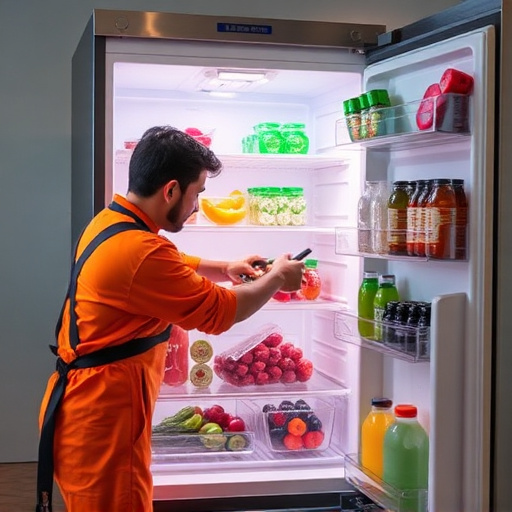
Maintaining your refrigerator in a hot climate like Texas can be a challenge, especially if it's stored in a hot garage. Proper care and regular attention can extend the lifespan of your fridge and ensure it performs optimally. Let's examine some key strategies for optimizing your refrigerator's performance, focusing on common issues and the unique considerations of hot environments.
One of the most common problems, especially in hot weather, is ice maker malfunction or a fridge that's warm in places. This can be attributed to several factors. In a hot garage, the fridge's internal temperature might struggle to stay cool, leading to ice maker problems or uneven cooling. Regular cleaning of the condenser coils, located behind or below the fridge, is crucial. Dust and debris can obstruct airflow, causing the fridge to work overtime and potentially leading to premature failure. A simple, thorough cleaning can significantly improve efficiency.
Door seals are another critical component. They prevent warm air from entering and cold air from escaping, maintaining the refrigerator's cooling power. Over time, seals can become damaged or worn, allowing leaks and compromising cooling performance. Regularly inspect them for tears or cracks, and replace them if necessary. In hot environments, this becomes even more critical. If your Manzanos RV Park neighbor's fridge is leaking, it could be a sign of a faulty seal, especially in the sweltering summer heat.
Consider the impact of temperature fluctuations after a power outage. During a power outage, the fridge's temperature can spike, and when power is restored, it might take some time for the compressor to stabilize. If your fridge is in a hot garage, this process can be prolonged, affecting food safety. A well-maintained fridge, with clean coils and secure seals, will adapt more quickly. An experienced Austin appliance repair team recommends keeping a close eye on the temperature gauge and taking proactive measures during extreme weather. Regular maintenance, including checking and replacing the water filter, can also prevent blockages that may impact the fridge's cooling efficiency, especially in areas with hard water like Grant County.
Frequently Asked Questions About a Guide to Refrigerator Types and Their Repair Needs
What are the different types of refrigerators, and how do I choose the right one?
Refrigerators come in various types, each with unique features and benefits. The most common types include top-freezer, bottom-freezer, French door, and side-by-side. When choosing, consider your family size, preferred organization (e.g., food placement), and specific features like ice and water dispensers. Energy efficiency is also crucial; look for models with the Energy Star label.
How often should I clean and maintain my refrigerator?
Regular cleaning ensures optimal performance and extends the life of your refrigerator. Clean the exterior and interior monthly, removing food residue, spills, and odors. Check seals for damage or wear, and clean or replace them as needed. Defrost the freezer regularly, especially in warmer climates, to prevent buildup and improve efficiency.
When should I call a professional for refrigerator repair?
If you suspect electrical issues, such as a broken thermostat or faulty wiring, or if your refrigerator is not cooling adequately, contact a professional. Also, consider professional repair for complex problems like leaking, strange noises, or if your model is outdated and may lack essential parts for safe repair.
Can I fix minor issues like a noisy refrigerator myself?
Some minor issues, like replacing a broken door handle or a worn-out wheel, can be DIY projects. However, complex repairs require professional skills and knowledge. Attempting DIY repairs on electrical components can be dangerous and void warranties. For peace of mind, trust certified technicians.
How do I know if my refrigerator is worth repairing or replacing?
Consider the age and model of your refrigerator. Older models might be less energy-efficient. Assess repair costs against the purchase price and potential energy savings. If repairs exceed half the price of a new model, replacement might be more economical.
What are the common signs that my refrigerator needs repair?
Signs include unusual noises, temperature inconsistencies, excessive ice buildup, leaking, and a persistent power outage light. If your refrigerator is not cooling, defrosting properly, or maintaining temperature settings, it's time for professional attention.
How can I prevent future refrigerator issues?
Regular maintenance, including cleaning and checking seals, prevents many problems. Avoid overloading your refrigerator, and ensure proper ventilation. Keep food sealed tightly, and avoid placing hot food directly into the refrigerator. Regular care and sensible food storage practices significantly extend equipment life.
Understanding the specific challenges that refrigerators face in hot garages is crucial for ensuring their longevity and optimal performance. From the article, we've learned that garage temperatures can significantly impact refrigeration systems, leading to common issues like compressor failures and inadequate cooling. To mitigate these problems, regular maintenance is key. This includes cleaning condenser coils to prevent dust buildup, inspecting and replacing door seals to eliminate leaks, and checking the thermostat for accurate temperature control.
Being aware of potential defects like frost buildup in the freezer or ice maker malfunctions allows for prompt troubleshooting. When a fridge is not cooling, a systematic approach to diagnosis is essential. Checking for water leaks, examining the evaporator fan for obstruction, and inspecting the defrost system are critical steps. A top-freezer refrigerator may require more frequent defrosting due to its design.
For those facing a power outage, knowing how to safely store food and prepare for potential damage is vital. In cases where a fridge in a hot garage has already failed, prioritizing food safety becomes paramount. This includes discarding perishable items and cleaning the refrigerator to prevent bacterial growth. When deciding to repair or replace, considering the fridge's age, repair costs, and energy efficiency can guide these important decisions.
By following these guidelines and staying informed about the specific needs of your refrigerator type, you can extend its lifespan and maintain peak performance, even in challenging environments like a hot garage.
In hot climates like southwest New Mexico, maintaining a fridge in a garage presents unique challenges. Regular maintenance is crucial: inspect door gaskets, clean condenser coils, and check for ice maker issues. Hot garages can lead to temperature fluctuations, ice buildup, and reduced cooling efficiency. Local professionals can provide tailored advice, ensuring optimal performance and extending the appliance's lifespan. Regular checks and proactive maintenance are key to food safety and preventing costly repairs.