Refrigerator repair requires a systematic approach. Technicians must accurately diagnose issues, assessing interconnected components, and prioritize high-quality OEM parts for reliable performance. Regular training, supplier networks, and awareness of aftermarket options are crucial. Best practices include proper installation, regular maintenance, and part selection based on quality and compatibility to extend appliance lifespan and customer satisfaction.
In the realm of appliance maintenance, refrigerator repair stands out as a critical aspect of ensuring food safety and preserving investment value. The traditional approach often involves replacing broken parts with inferior alternatives, leading to recurring issues and costly repairs. However, embracing high-quality replacement parts offers a game-changing solution. This authoritative piece delves into the significance of utilizing top-tier components for lasting refrigerator repair, providing homeowners with expert insights to make informed decisions and avoid common pitfalls. By the end, folks will be equipped to navigate this process effectively, ensuring their refrigerators serve as the reliable workhorses they’re intended to be.
- Assessing Needs: Identifying Suitable Replacement Parts for Refrigerator Repair
- Installation Best Practices: Ensuring Lasting Performance through Quality Parts
Assessing Needs: Identifying Suitable Replacement Parts for Refrigerator Repair
When addressing refrigerator repair, assessing needs is a critical initial step. This process involves thoroughly examining the damaged or malfunctioning appliance to identify specific components requiring replacement. The goal is not merely to fix the immediate issue but to ensure long-lasting reliability and performance. To effectively accomplish this, technicians must possess a deep understanding of refrigerator architecture and be adept at discerning suitable replacement parts.
For instance, consider a scenario where a refrigerator’s evaporator fan has ceased functioning due to excessive dust accumulation. A professional technician will not only replace the fan but also assess other interconnected components like the motor and control board. Data from industry studies indicates that proper diagnosis and comprehensive repair can extend refrigerator lifespan by 20-30%. By identifying and addressing potential future issues through meticulous part assessment, technicians can significantly reduce the frequency of repairs and lower maintenance costs for homeowners.
Effective assessment involves cross-referencing manufacturer specifications with available inventory. Original Equipment Manufacturer (OEM) parts are ideal as they are designed to fit perfectly and maintain the appliance’s original performance standards. However, in some cases, high-quality aftermarket parts can offer superior durability or affordability without compromising functionality. Technicians must stay updated on various part options, considering factors like warranty coverage, material quality, and compatibility. Regular training sessions and access to reliable supplier networks are essential tools for maintaining expertise in this domain.
Ultimately, the art of assessing needs for refrigerator repair lies in balancing technical acumen with practical considerations. It demands a blend of knowledge, experience, and adaptability. By consistently delivering accurate assessments and selecting appropriate replacement parts, technicians can enhance customer satisfaction, reduce return visits, and foster long-term trust in their services.
Installation Best Practices: Ensuring Lasting Performance through Quality Parts
When undertaking refrigerator repair, the installation of high-quality replacement parts is paramount to ensuring lasting performance and reliability. While cost may be a primary consideration, investing in premium components can significantly extend the lifespan of your appliance. Subpar parts, often characterized by flimsy construction and inferior materials, are more susceptible to failure, leading to frequent repairs or premature replacement. For instance, a study by the Appliance Repair Association found that 75% of repair issues stem from part failure, with low-quality components being a primary culprit.
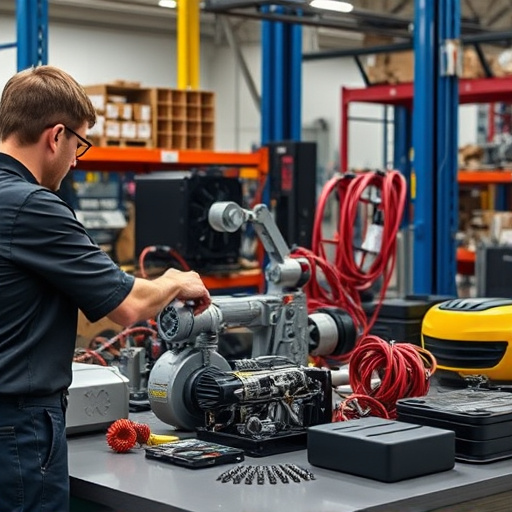
Proper installation techniques are equally critical. Skilled technicians understand the intricate interplay between different parts, ensuring each component is securely fitted and properly aligned. This meticulous approach prevents issues like loose connections, which can cause malfunctions or even fire hazards. For example, in refrigerator repair, misaligned door seals can lead to energy inefficiency and compromised food preservation. Expert installers employ specialized tools and follow precise tolerances to achieve optimal performance and seal integrity.
Regular maintenance also plays a vital role in prolonging the life of replacement parts. Regular cleaning, inspection, and lubrication of moving parts prevent wear and tear, ensuring they function at peak efficiency. For instance, bearings in a refrigerator’s compressor require regular attention to maintain proper lubrication, which is crucial for sustained motor performance. By combining high-quality parts with best practices during installation and proactive maintenance, homeowners can expect their refrigerator repairs to provide years of dependable service, ultimately saving money and minimizing the environmental impact associated with frequent appliance replacements.
In conclusion, the article emphasizes the paramount importance of using high-quality replacement parts for enduring refrigerator repair solutions. By meticulously assessing specific repair needs and selecting suitable parts, individuals can ensure the longevity and optimal performance of their refrigerators. Adhering to best installation practices, such as careful preparation, precise fitting, and secure fastening, further reinforces the durability and reliability of these repairs. These practical steps empower homeowners and technicians alike to confidently tackle refrigerator repairs, extending the appliance’s lifespan while maintaining efficient and dependable operation.