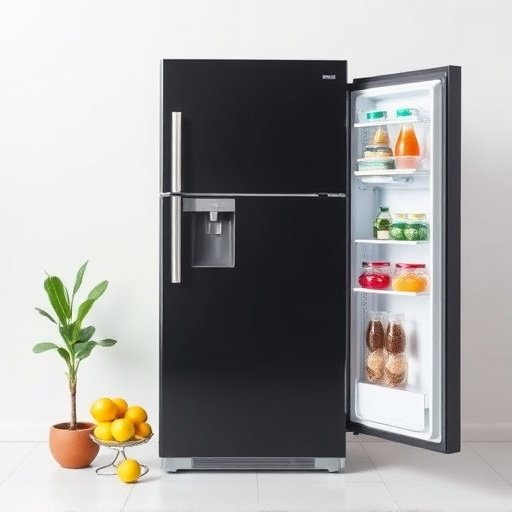
Assessing energy consumption in households is vital for cost savings and sustainability. Refrigerators, responsible for significant utility bills, are a key focus area. Regular insulation checks and maintenance can reduce energy usage by up to 20%. Smart meters track patterns, enabling efficient appliance use and identifying high-consumption areas. Upgrading to modern, Energy Star-certified refrigerators saves costs and enhances environmental goals. Refrigerator repair for optimal performance further reduces utility bills and increases appliance lifespan. Integrated smart home devices, like thermostats, offer additional savings through remote control and adaptive settings. Holistic energy efficiency measures lead to substantial cost reductions and environmental benefits.
In today’s world, where energy costs continue to rise, the efficient management of resources has become a top priority for both homeowners and businesses alike. Among various appliances, refrigerators play a pivotal role in food preservation and storage, making their energy efficiency all the more critical. The installation of energy-efficient components is not just an environmentally conscious choice but also a strategic move towards significant cost savings. This article delves into the practical steps and benefits associated with this process, offering valuable insights for those looking to optimize their energy usage, especially in the context of refrigerator repair and maintenance.
- Assessing Energy Consumption: Identifying Costly Habits
- Understanding Efficient Components: The Green Revolution
- Upgrading Appliances: Refrigerator Repair as a Starting Point
- Implementing Smart Thermostats: Temperature Control for Savings
- Long-Term Benefits: Measuring and Maximizing Energy Efficiency
Assessing Energy Consumption: Identifying Costly Habits

Assessing energy consumption is a critical step in identifying costly habits and implementing energy-efficient solutions, especially within households. One common area of concern is the refrigerator, an appliance that can significantly impact utility bills if not maintained or operated efficiently. A simple yet effective strategy involves regularly checking the insulation and seals of refrigerators to prevent air leaks, ensuring optimal performance. For instance, a study by the U.S. Department of Energy revealed that approximately 10% of home energy usage is attributed to poorly insulated refrigerators, highlighting the potential for substantial savings through proper maintenance.
Additionally, analyzing energy usage patterns can provide valuable insights. Smart meters and energy monitoring devices enable users to track electricity consumption in real-time, identifying peak usage periods and high-consumption appliances. For example, an older model refrigerator may draw significant power during defrost cycles, indicating the need for an upgrade or a schedule adjustment to reduce energy waste. By understanding these patterns, homeowners can make informed decisions about when to use energy-intensive appliances and avoid costly habits like keeping refrigerators at excessive temperatures.
Refrigerator repair is not solely limited to broken components; it also encompasses optimizing energy efficiency. Regular cleaning and maintenance, including the replacement of old seals, ensure that refrigerators function at their highest energy-saving capacity. According to energy experts, a well-maintained refrigerator can reduce energy consumption by up to 20% compared to a poorly maintained unit. This simple yet effective practice not only extends the appliance’s lifespan but also provides immediate cost savings for homeowners.
Understanding Efficient Components: The Green Revolution

The concept of energy-efficient components has sparked a green revolution in the way we consume and conserve energy. This shift is not just an environmental imperative but also a sensible economic decision for homeowners and businesses alike. By understanding and adopting efficient technologies, significant cost savings can be achieved while contributing to a sustainable future. One prominent example is the evolution of refrigerators, appliances that are integral to modern life. Today, advanced refrigeration systems use less energy than ever before, leading to substantial utility bill reductions over time. For instance, according to ENERGY STAR data, an efficient refrigerator from the 2020s uses nearly 40% less energy than a model from the 1970s, translating to considerable long-term savings for consumers.
At the heart of this revolution are innovative technologies that improve performance while reducing power consumption. For instance, variable-speed compressors in modern refrigerators adjust their speed based on cooling needs, optimizing energy use and minimizing waste. Additionally, smart sensors and advanced thermostats enable precise temperature control, ensuring appliances operate only when necessary. These advancements not only lower energy bills but also reduce the environmental footprint of these essential home appliances, making refrigerator repair less frequent due to enhanced durability.
Implementing energy-efficient components requires a strategic approach. Homeowners should consider a holistic view of their energy consumption, identifying areas for improvement and prioritizing efficient solutions based on usage patterns and local climate conditions. For businesses, an audit of existing systems can reveal substantial opportunities for optimization. Taking the example of commercial refrigeration, upgrading to modern, energy-efficient models not only reduces operational costs but also enhances sustainability goals, contributing to a greener supply chain. The transition may require initial investment, but long-term benefits far outweigh the costs, making it a smart and responsible choice.
Upgrading Appliances: Refrigerator Repair as a Starting Point

Upgrading appliances is a strategic approach to energy efficiency, with refrigerators playing a pivotal role due to their constant operation and significant energy consumption. According to the U.S. Department of Energy, refrigerators account for about 4% of a home’s total energy use, making them a prime target for cost savings through energy-efficient components. A simple yet effective starting point is refrigerator repair: replacing old models with Energy Star-certified ones can lead to substantial long-term savings. These modern appliances are designed to use less energy, thereby reducing utility bills and carbon footprints.
For instance, an Energy Star-rated refrigerator uses approximately 20% less energy than standard models, translating to annual savings of up to $150 for the average household. This is not just about immediate cost cuts; it’s a strategic investment in long-term sustainability. Regular refrigerator repair and maintenance also contribute to these savings by ensuring the appliance operates at peak efficiency. By keeping an eye on energy usage patterns and addressing any potential issues promptly, homeowners can maximize their energy-saving efforts.
Practical advice for implementing this strategy includes researching energy-efficient models before purchasing, considering the size of the refrigerator relative to the space it will occupy, and ensuring proper insulation for optimal performance. Additionally, scheduling regular refrigerator repair check-ups can help identify and fix leaks or other inefficiencies early on. Many modern appliances also come with smart features that allow for remote monitoring and control, further enhancing energy management capabilities.
Implementing Smart Thermostats: Temperature Control for Savings

The installation of energy-efficient components is a strategic move towards significant cost savings for homeowners. Among these, Smart Thermostats stand out as powerful tools for temperature control and energy conservation. These advanced devices offer more than just comfort; they are programmed to optimize heating and cooling systems, adapting to daily routines and seasonal changes. For instance, a study by the U.S. Department of Energy found that homes with smart thermostats can save up to 10% on heating bills and 15% on cooling costs annually. This level of efficiency is particularly notable when considering the average American household spends around $2,000 on energy bills each year—a figure that can be substantially reduced with the right technology.
Implementing smart thermostats involves a straightforward process. Once installed, these devices learn the temperature preferences of occupants and automatically adjust settings to maximize energy efficiency without compromising comfort. This technology is especially beneficial in managing heating costs during winter and cooling expenses in summer. For example, setting a slightly lower temperature in winter and raising it when everyone is usually out can lead to substantial savings. Moreover, smart thermostats offer remote access through mobile apps, allowing users to control settings even when away from home, ensuring energy isn’t wasted unnecessarily.
When considering energy-efficient solutions, don’t overlook the potential for integrated system optimization. Smart thermostats often work in conjunction with other smart home devices, such as lights and appliances, creating a cohesive ecosystem that enhances overall energy savings. This interconnectedness enables users to schedule and control various devices from a central platform, fostering a more mindful approach to energy consumption. By embracing these innovations, homeowners can not only reduce utility bills but also contribute to environmental sustainability, making every effort count, even in seemingly minor adjustments like temperature control.
Long-Term Benefits: Measuring and Maximizing Energy Efficiency

The long-term benefits of installing energy-efficient components extend far beyond initial cost savings. While upfront investments may seem substantial, especially when considering refrigerator repair or replacement, the environmental and economic payoffs are significant over time. Energy efficiency is a strategic approach to reduce power consumption, leading to lower utility bills and minimized carbon footprint. For instance, an ENERGY STAR-rated refrigerator can save up to $700 over its lifetime compared to models that lack energy-efficient features, demonstrating the substantial return on investment.
Regular monitoring of energy usage plays a pivotal role in maximizing these benefits. Smart meters and advanced monitoring systems allow homeowners and businesses to track consumption patterns, identifying peak demand periods and potential inefficiencies. Take, for example, a commercial kitchen equipped with modern, efficient appliances; precise monitoring revealed an unexpected high-usage period during lunch breaks, prompting staff adjustments and significantly reducing energy costs. This data-driven approach ensures that every aspect of energy use is optimized, from HVAC systems to lighting and refrigeration.
Expert advice emphasizes the importance of a holistic view when implementing energy-efficient solutions. It’s not merely about installing efficient appliances like a refrigerator repair specialist might recommend; it involves a system-wide upgrade. Integrating smart thermostats, LED lighting, and energy-efficient windows creates an interconnected network that enhances overall efficiency. For residential properties, this could mean a reduction in cooling costs of up to 20% and heating bills decreased by 10%, translating into quicker returns on investment and long-term financial stability.
By assessing energy consumption patterns, identifying costly habits, and integrating energy-efficient components, homeowners can significantly reduce utility bills. The article has illuminated the transition to green technologies as a powerful movement, with refrigerator repair serving as an accessible entry point for cost savings. Upgrading appliances and implementing smart thermostats offer substantial long-term benefits, ensuring homes are not only eco-friendly but also economically viable. Readers now possess a toolkit of practical next steps, from evaluating current energy usage to making strategic upgrades like refrigerator repair. This comprehensive approach leverages the power of energy efficiency, delivering both environmental and financial gains.