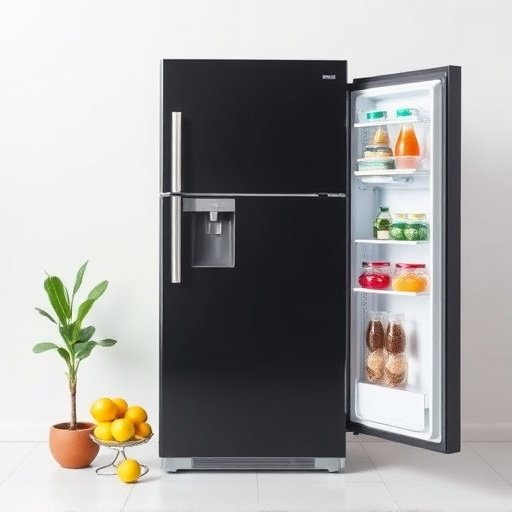
Strategic energy assessment identifies high-draw areas for cost-saving upgrades. Key targets include HVAC systems, water heaters, lighting, and kitchen equipment. Simple swaps like LED bulbs and refrigerator repair, coupled with ENERGY STAR appliances, yield significant savings. Modern compressors in refrigerators reduce energy use by up to 30%. Smart thermostats enhance efficiency. Regular maintenance extends modern components' lifespans, fostering environmental responsibility.
In today’s world, where energy costs continue to rise, the installation of energy-efficient components offers a viable solution for homeowners seeking significant cost savings. The need for such measures is acute, especially considering the environmental impact of excessive energy consumption. One common household area where this can be effectively implemented is in refrigerator repair and upgrades—a crucial aspect of modern home maintenance. By integrating advanced technologies designed to minimize power usage, not only can we reduce utility bills but also contribute to a more sustainable future. This article delves into the strategies and benefits associated with transitioning to energy-efficient components, providing valuable insights for both professionals and homeowners alike.
- Assess Energy Consumption: Identify Areas for Improvement
- Strategically Replace: Install Energy-Efficient Components for Cost Savings (including Refrigerator Repair)
Assess Energy Consumption: Identify Areas for Improvement

Assessing energy consumption is a crucial first step in identifying opportunities for cost savings through energy-efficient component installation. Start by analyzing your utility bills to pinpoint peak usage periods and year-over-year trends. This data reveals not only areas of high energy draw but also potential for significant savings. For example, a thorough review might uncover that your refrigerator repair—or lack thereof—is leading to unexpected inefficiencies. A well-maintained unit can reduce energy consumption by up to 15% compared to an older, malfunctioning model.
Focus on key appliances and systems, such as heating, ventilation, air conditioning (HVAC), water heaters, lighting, and kitchen equipment. Each of these contributes significantly to overall energy use. For instance, an outdated HVAC system can waste as much as 30% of the energy it consumes, while LED lighting uses at least 75% less electricity than incandescent bulbs and lasts 25 times longer. Data from the U.S. Energy Information Administration shows that heating and cooling account for about 47% of total home energy consumption, making efficient systems a strategic investment.
Practical insights are essential when navigating this process. Start with simple swaps—like replacing incandescents with LED bulbs—and combine them with smarter usage habits. For refrigerators, ensure regular cleaning and proper airflow to maintain optimal performance. Consider upgrading older appliances to models bearing the ENERGY STAR label, which guarantees they meet strict energy efficiency guidelines. Remember that even seemingly minor adjustments can lead to substantial savings over time. Experts recommend tracking your progress post-implementation for further optimization.
Strategically Replace: Install Energy-Efficient Components for Cost Savings (including Refrigerator Repair)

The strategic replacement of key components with energy-efficient alternatives is a powerful strategy to achieve significant cost savings while promoting environmental sustainability. This approach extends beyond mere appliance upgrades; it encompasses even seemingly minor fixes like refrigerator repair, which can yield substantial long-term benefits. For instance, consider a common household scenario: an outdated refrigerator consumes a considerable portion of a home’s energy budget, with inefficient cooling mechanisms and poor insulation contributing to excessive power usage. A simple yet effective solution is to repair or replace the refrigerator’s compressor and seal, technologies that have seen remarkable advancements in energy efficiency over the years.
Modern compressors are designed to operate with enhanced precision, allowing for more controlled and optimized cooling, thereby reducing overall energy consumption. Similarly, improved sealing mechanisms ensure better insulation, minimizing temperature fluctuations and the resulting energy waste. According to the U.S. Department of Energy, replacing an old refrigerator with a modern, ENERGY STAR-rated model can save up to $150 per year on energy bills. This is not merely economic; it represents a responsible step towards reducing carbon footprints and preserving natural resources.
Implementing such strategies requires a holistic view of home or building systems integration. For instance, when upgrading appliances like refrigerators, it’s essential to consider the broader energy landscape. Smart thermostats, for example, can be synchronized with efficient refrigeration cycles to further optimize temperature control and energy savings. Regular refrigerator repair and maintenance also play a pivotal role in ensuring these modern components operate at peak efficiency over their lifetimes, adding another layer of cost savings and environmental stewardship.
By assessing energy consumption patterns and strategically replacing outdated components with energy-efficient alternatives, including refrigerator repair, homeowners can achieve significant cost savings over time. This article has emphasized the importance of identifying areas for improvement in energy efficiency, demonstrating that even seemingly small changes can lead to substantial long-term benefits. The key takeaway is that proactive measures, such as Refrigerator Repair and the installation of efficient appliances, empower individuals to take control of their energy expenses while contributing to a more sustainable future. With these practical insights, readers are equipped to make informed decisions, ensuring both economic savings and environmental stewardship.