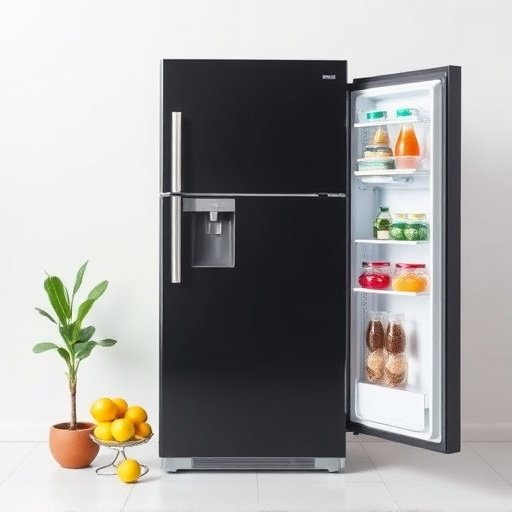
Regular maintenance is crucial for ice makers to prevent malfunctions. Key issues include blocked filters, power supply problems, and faulty sensors. Basic diagnostics involve cleaning, checking wires, and verifying sensor positioning. Replacing components or seeking professional refrigerator repair services addresses complex issues. Installing a new ice maker requires isolating water, removing old units, cleaning, securing the new one, reconnecting hoses, and testing. Regular cleaning with warm water and vinegar prevents buildup. Common problems include power supply failures and temperature sensor issues, requiring replacement parts or professional diagnosis. Preventive measures like leak checks ensure optimal ice production. Regular inspection minimizes costly repairs.
In today’s fast-paced world, reliable home appliances are non-negotiable. Among these, the ice maker holds a special place, enhancing convenience and refreshing beverages. Yet, as with all machinery, ice makers aren’t immune to wear and tear, leading to common issues that disrupt daily routines. Whether it’s a broken ice tray or a faulty water supply, efficient refrigerator repair becomes paramount.
This article delves into the intricacies of ice maker repair and installation, offering proven solutions for quick fixes and long-term maintenance. By the end, you’ll be equipped with the knowledge to ensure your ice maker operates optimally, contributing to a more convenient and enjoyable living space.
- Understanding Ice Maker Malfunctions: Common Issues & Troubleshooting
- Step-by-Step Guide: Installing a New Ice Maker
- Refrigerator Repair: Maintaining Your Ice Maker for Optimal Performance
Understanding Ice Maker Malfunctions: Common Issues & Troubleshooting

Ice makers are a convenient addition to many homes, but they can also present troubleshooting challenges. Understanding common ice maker malfunctions is key to efficient repairs and maintenance. Issues like not making ice, ice that’s too soft or hard, leaky water, or power failures often stem from simple causes such as dirty filters, faulty sensors, or compressed air issues. For instance, a buildup of dirt and debris in the filter can obstruct water flow, preventing ice formation.
Regular cleaning and maintenance are crucial to prevent these problems. Check your ice maker’s filter regularly and clean it as per the manufacturer’s instructions. Additionally, ensure proper power supply; intermittent power failures or voltage fluctuations can disrupt the ice-making process. If your ice maker is integrated into a larger system, like a refrigerator repair, consider routine checks of the entire unit to maintain optimal performance.
When troubleshooting, start with basic diagnostics: Inspect connections for loose or damaged wires, check water supply lines for leaks or clogs, and verify sensor positioning. In some cases, replacing specific parts such as the ice bucket, auger, or door seals can resolve issues. For instance, a faulty auger might prevent crushed ice from exiting properly, leading to unusual textures. Engaging a professional refrigerator repair service can offer specialized knowledge and ensure accurate diagnosis for more complex problems.
Step-by-Step Guide: Installing a New Ice Maker

Installing a new ice maker is a relatively straightforward process that can significantly enhance your convenience and refreshment options at home. Before beginning, ensure your refrigerator repair tools are at hand—a flathead screwdriver, a Phillips head screwdriver, and a new ice maker compatible with your model. Start by locating the water supply lines behind or beneath the refrigerator. Turn off the water valves to isolate the existing ice maker’s water source. Next, defrost any frozen accumulation around the ice maker compartment. Once cleared, remove the old ice maker by unscrewing its mounting screws and detaching the water hoses. Clean the space thoroughly before installing the new unit, ensuring no residual parts or debris remain.
Position the new ice maker, aligning it with the pre-drilled holes in your refrigerator. Secure it firmly using the provided mounting screws. Reconnect the water hoses to the ice maker, tightening them securely but avoiding excessive force to prevent damage. Check for any leaks at the connections and tighten as needed. After ensuring all components are properly installed, turn on the water valves and allow the system to fill with water. Confirm that the ice maker functions correctly, producing ice cubes evenly and efficiently.
Regular ice maker maintenance is crucial for optimal performance. Periodically clean the ice maker compartment and filter to prevent buildup of dirt, debris, or bacteria. Regular cleaning not only ensures better-tasting ice but also prolongs the lifespan of your ice maker. Should you encounter any issues, such as frozen cubes or a failing pump, refer to detailed refrigerator repair guides or consult a professional for expert assistance.
Refrigerator Repair: Maintaining Your Ice Maker for Optimal Performance

Maintaining an ice maker is a crucial aspect of refrigerator repair, ensuring optimal performance and extending the lifespan of this handy appliance. Over time, various components can wear out or become contaminated, leading to issues like poor ice production, unusual odors, or even leaks. Regular care and cleaning are essential to prevent these problems. For instance, periodic flushing of the ice maker with warm water and vinegar can remove buildup and restore its efficiency. It’s a simple process that many homeowners can easily undertake as part of their refrigerator repair regimen.
One common issue is an ice maker that doesn’t turn on. This could be due to a faulty power supply or a temperature sensor malfunction. Troubleshooting involves checking electrical connections and ensuring the sensor is functioning properly, which can often be accomplished through simple replacement parts. In more complex cases, issues with the water supply valve or a broken water line may be at fault, requiring professional refrigerator repair services to diagnose and fix.
Regular inspection of ice maker components is key to preventing major repairs. For example, checking for leaks around the water lines and ensuring proper drainage can head off water-related problems before they become costly. Additionally, examining the ice bin for any debris or buildup will maintain the quality of the ice produced. By adopting these preventive measures as part of your refrigerator repair maintenance routine, you can enjoy crisp, clean ice without interruption.
By mastering ice maker repair and installation, homeowners can significantly enhance their convenience and ensure optimal refrigerator performance. Understanding common malfunctions, as detailed in this article, equips readers to troubleshoot issues effectively. The step-by-step installation guide empowers individuals to embark on DIY projects, fostering self-reliance. Moreover, emphasizing regular maintenance through refrigerator repair practices guarantees ice makers operate at peak efficiency. These comprehensive insights not only simplify ice maker care but also contribute to a well-maintained kitchen appliance ecosystem.