
Common refrigerator issues include temperature control malfunctions, unusual noises, leaks, and power failures. Basic troubleshooting starts with power supply checks and filter cleaning. Complex problems require professional Refrigerator Repair using specialized tools for accurate diagnosis. Simple repairs involve replacing gaskets or bulbs, while intricate work necessitates disassembly. Regular maintenance, like leak checks and cleaning, extends lifespan. Consulting a trained technician ensures effective, damage-free repairs.
Refrigerators are the unsung heroes of our modern kitchens, keeping our food fresh and our drinks cold. However, these workhorses aren’t immune to problems. From unusual noises to temperature control issues, common refrigerator problems can disrupt your daily life. As a homeowner, understanding these issues and their solutions is crucial for effective refrigerator repair and maintenance. This article serves as a comprehensive guide, empowering you with the knowledge to identify and address typical refrigerator dilemmas promptly, ensuring your kitchen appliance continues to serve you reliably.
Identifying Common Refrigerator Issues

Identifying common refrigerator issues is the first step towards effective troubleshooting and, if needed, refrigerator repair. One of the most frequent problems is temperature control malfunction, where the fridge either fails to cool adequately or becomes too cold, leading to food spoilage. This issue can stem from a faulty thermostat, damaged cooling coils, or improper settings. For instance, an older model might require manual adjustments for optimal performance, while modern smart fridges may need calibration if connected to unstable Wi-Fi networks, resulting in inconsistent temperature regulation.
Another prevalent challenge is unusual noises, such as grinding, clicking, or humming sounds. These can indicate worn-out parts like bearings, seals, or fans. Over time, these components can degrade, leading to inefficient operation and potentially serious damage if left unaddressed. For example, a loose or damaged seal can cause the fridge to work overtime to maintain cold temperatures, increasing energy consumption and shortening the appliance’s lifespan. Regular maintenance checks can help catch such issues early on, often preventing more complex and costly refrigerator repair.
Water leakage is yet another critical problem that requires immediate attention. Leaks may originate from defective water dispensers, ice makers, or even sealed compartments. In some cases, excessive moisture buildup inside the fridge can lead to mold growth, compromising food safety and the appliance’s performance. Prompt identification of the leak source through visual inspection and careful monitoring is crucial. Once located, addressing the issue could range from replacing a simple part like a water filter to more extensive refrigerator repair involving structural repairs or component replacement.
Troubleshooting & Repair Techniques: Refrigerator Repair
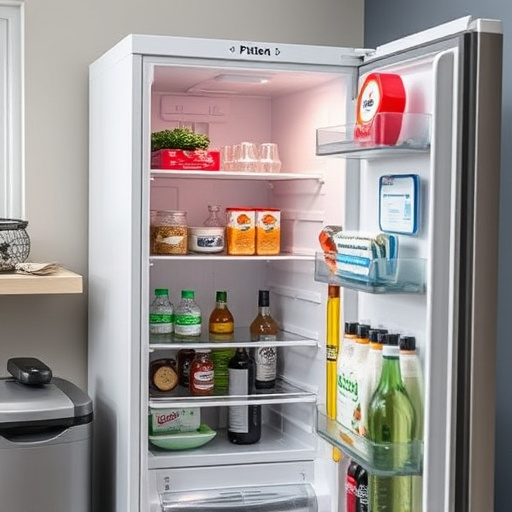
Refrigerator repair is a common household task that many homeowners can tackle with proper knowledge and tools. Identifying issues early on is key to preventing more serious problems. Common refrigerator problems include unusual noises, temperature fluctuations, leaking, and power failures. For instance, a humming sound could indicate a fan motor issue, while uneven cooling might be due to a faulty thermostat or blocked vents. Leaks often stem from worn-out gaskets, while power disruptions can damage the compressor or control board.
When troubleshooting, start with basic checks like ensuring proper power supply and cleaning air filters. Inspect seals for tears or degradation, as these are crucial for maintaining cold temperatures. Test all controls, including dials and sensors, to rule out electronic failures. For more complex issues like motor problems, it’s advisable to consult a professional technician who can diagnose accurately using specialized tools. They may employ techniques such as multimeter testing for electrical components or using a pressure gauge to check the refrigerant system.
Repair techniques vary widely based on the problem. Simple fixes include replacing worn parts like gaskets or bulbs. More intricate repairs involve disassembling the unit to access internal components, requiring skill and precision. For example, repairing a compressor involves careful handling of refrigerants and precise reassembly. Professional technicians are trained in these specialized repair methods, ensuring effective solutions without causing further damage. Regular maintenance, including cleaning and checking for leaks, can significantly prolong the lifespan of your refrigerator, saving you from costly repairs.
Understanding common refrigerator problems and their solutions is an essential skill for any homeowner. By identifying issues early through regular maintenance checks, you can prevent major disruptions and costly repairs. This article has equipped readers with valuable insights into troubleshooting and repairing refrigerator issues, from ice maker malfunctions to temperature control problems. Key takeaways include the importance of a thorough diagnosis, utilizing basic tools, and knowing when to seek professional help. Armed with these knowledge points, homeowners can confidently navigate common refrigerator repair challenges, ensuring their appliances run smoothly for years to come.