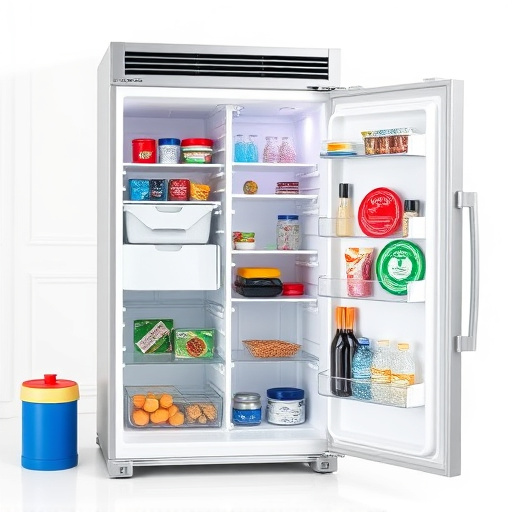
Recognizing common refrigerator repair issues is crucial for effective situation management. Key problems include frozen water lines, malfunctioning thermostats, humming noises, ice maker malfunctions, and temperature control failures. Regular maintenance checks, prompt attention to unusual sounds or temperature changes, and basic troubleshooting techniques empower homeowners to handle minor issues. Essential tools for emergency repairs include a voltage tester, multi-meter, screwdrivers, pliers, and wrenches. A systematic approach to troubleshooting includes checking power supply, door gaskets, thermostat, and compressor/fan motor. Consistent maintenance practices like cleaning condenser coils, proper item placement, and surge protection prevent major issues. For complex problems, prompt professional refrigerator repair ensures food safety and mitigates costly replacements.
In the modern home, a functioning refrigerator is non-negotiable. These workhorses of the kitchen keep our food fresh and safe to eat, making them an essential part of daily life. Yet, when these crucial appliances malfunction—especially in urgent situations—the consequences can be severe. This is where expert refrigerator repair becomes indispensable. Whether it’s a sudden power outage leaving your perishables at risk or a leaky fridge threatening to spoil your groceries, knowing how to navigate emergency refrigerator repair is vital. This article provides an authoritative guide to help you tackle these challenges effectively.
- Recognize Common Refrigerator Repair Issues
- Gather Tools and Replace Parts Effortlessly
- Troubleshooting: A Step-by-Step Guide for Emergencies
- Preventive Measures for Future Refrigerator Repair
Recognize Common Refrigerator Repair Issues
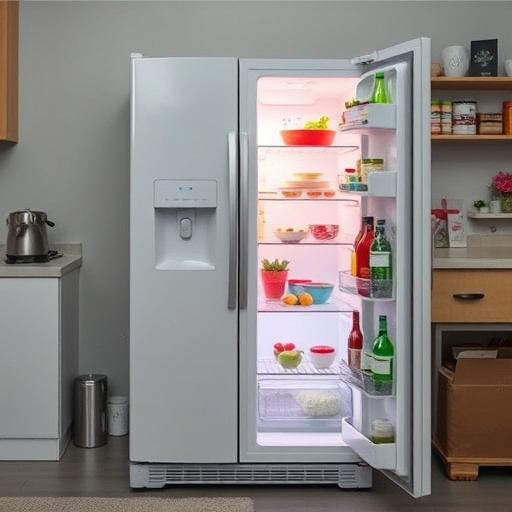
Recognizing common refrigerator repair issues is a crucial step in addressing urgent situations effectively. Freezing food spoilage rates are significantly higher during power outages or mechanical failures, making prompt action vital to food safety and cost savings. Issues like frozen water lines, malfunctioning thermostats, and strange humming noises should immediately trigger a thorough inspection. For instance, a 2018 study by Consumer Reports revealed that nearly 70% of refrigerator repairs were due to either ice maker problems or faulty temperature control.
Another frequent issue is the buildup of frost on the freezer walls, which can signal an incorrect air flow or a sealed system problem. This not only affects cooling efficiency but also increases energy consumption. Moreover, unusual smells emanating from the unit could indicate bacterial growth or a clogged drain pipe. Prompt identification of these problems enables homeowners to take immediate actions like turning off power, defrosting ice accumulations, or replacing filters to prevent further damage and maintain optimal food preservation.
Regular maintenance checks can significantly reduce the frequency of refrigerator repair needs. Simple precautions such as keeping the door seals clean, ensuring proper ventilation, and regularly checking for water leaks can go a long way in preventing costly breakdowns. Moreover, understanding basic troubleshooting techniques empowers homeowners to handle minor issues before they escalate. For instance, a simple reset of the control board or a quick cleaning of the coils can often restore optimal refrigerator repair naturally, saving time, money, and minimizing food waste.
Gather Tools and Replace Parts Effortlessly

When facing an emergency refrigerator repair, having the right tools and understanding basic part replacement can save time and food. The first step is to gather essential tools tailored for refrigerator repair, including a voltage tester, multi-meter, screwdrivers (both flathead and Phillips), pliers, and a set of wrenches. These tools allow you to check power supply, diagnose electrical issues, remove damaged parts, and install replacements with precision.
For instance, a faulty starter motor or compressor can be replaced by identifying the part, ordering a compatible replacement online or from a local appliance store, and then disassembling the refrigerator to access the components. It’s crucial to follow safety protocols, such as unplugging the unit before beginning repair. With proper tools and knowledge of refrigerator repair, you can confidently address common issues like a leaking seal, ice buildup, or a noisy motor.
Consider that many modern refrigerators have computer-controlled systems, making diagnosis more complex but not impossible. A multi-meter can help measure voltage and current to pinpoint problematic circuits or sensors. Once identified, replacing faulty parts is often straightforward if you’re comfortable with basic DIY repairs. Regular maintenance and prompt attention to unusual sounds or changes in temperature can prevent major breakdowns and costly repairs.
By equipping yourself with the necessary tools and understanding refrigerator repair fundamentals, you gain autonomy over maintaining your fridge’s optimal performance. This proactive approach not only saves money but also ensures your food stays fresh and safe. Keep a well-stocked toolkit nearby for swift action during emergencies, enhancing your ability to handle unexpected refrigerator issues efficiently.
Troubleshooting: A Step-by-Step Guide for Emergencies
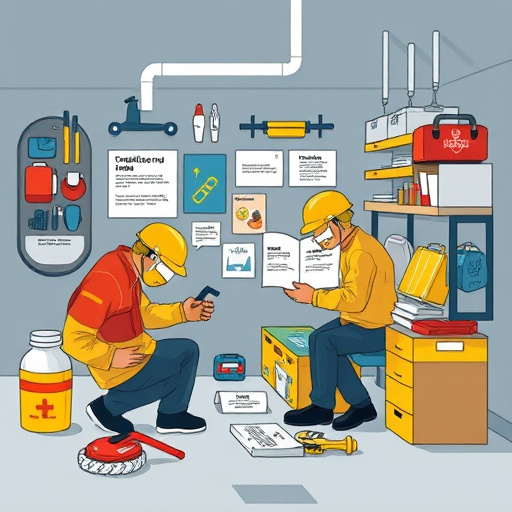
In urgent situations where your refrigerator stops functioning, quick troubleshooting can prevent spoilage and minimize damage. Refrigerator repair experts recommend a systematic approach to diagnose issues efficiently. Start by checking power supply—ensure circuits are active and the appliance is plugged in securely. Sometimes, a tripped circuit breaker or blown fuse could be the culprit, easily remedied by resetting or replacing as necessary. Next, inspect door gaskets for tears or poor sealing, common causes of temperature regulation problems. A faulty thermostat can also lead to overheating or freezing; verify its settings and replace if defective.
If your refrigerator is humming but not cooling, the issue might lie with the compressor or fan motor. These components require regular maintenance, including cleaning and lubricating moving parts. If troubleshooting proves challenging or you suspect a more complex issue, don’t delay professional refrigerator repair. Prompt attention can prevent costly replacements and ensure food safety. Many emergency services offer same-day appointments, ensuring your refrigerator is back in working order swiftly, with minimal disruption to your daily routine.
Preventive Measures for Future Refrigerator Repair

Preventing future refrigerator repair issues is a crucial aspect of maintaining your fridge’s longevity and performance. Regular maintenance checks are essential to catch potential problems early on. During these checks, ensure you inspect the door seals for any tears or damage, as compromised seals can lead to energy inefficiency and food spoilage. A simple test involves closing the door gently; if it doesn’t stay shut, repair or replace the seal immediately. Additionally, check the condenser coils for dust accumulation, which can restrict airflow and impact cooling efficiency. Using a soft brush or vacuum cleaner to clean these coils every few months can significantly enhance their functionality.
Proper storage practices also play a vital role in avoiding refrigerator repair needs. Avoid overloading your fridge, as it can block airflow and cause uneven cooling. Ensure food items are stored at the appropriate temperatures; most manufacturers provide guidelines for ideal settings. For instance, dairy products should be kept at 37-40°F (3-4°C), while fruits and vegetables require slightly cooler temperatures around 32-35°F (0-2°C). Misplacing items or storing them in unsuitable compartments can lead to excessive wear on specific components, potentially resulting in costly refrigerator repair.
Another effective strategy is to stay vigilant regarding power surges, which can damage the sensitive electrical components within your fridge. Power surges, often caused by lightning strikes or utility company operations, can be mitigated with surge protectors. Installing one near your refrigerator can safeguard it from sudden voltage spikes, significantly reducing the risk of repair needs stemming from electrical issues. Regularly testing and replacing batteries in your home’s smoke and carbon monoxide detectors is also a prudent step, as power outages due to these alerts can temporarily disrupt your fridge’s operation.
By equipping yourself with the knowledge of common refrigerator repair issues, understanding essential tools, and following a systematic troubleshooting guide, you’re now empowered to handle urgent situations effectively. This article has provided practical insights into refrigerator repair, emphasizing preventive measures to minimize future breakdowns. Recognizing potential problems early on and implementing simple maintenance routines can significantly extend your appliance’s lifespan. With these key takeaways in mind, you’re well-prepared to navigate unexpected repairs with confidence, ensuring your food remains fresh and your household runs smoothly.