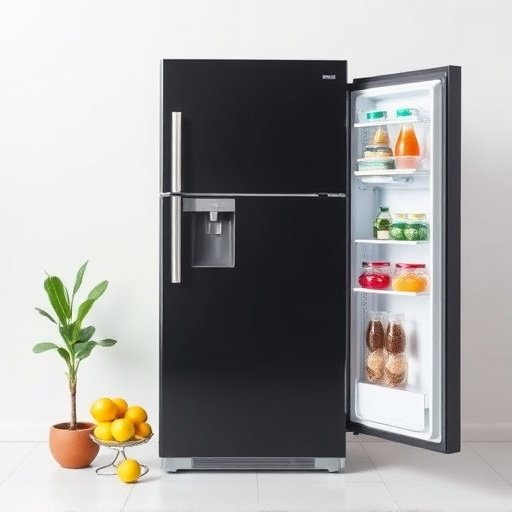
Understanding thermostats is crucial for effective temperature control, including Refrigerator Repair scenarios. Mechanical and digital types offer distinct features; digital models provide enhanced precision with automatic climate control and remote access via smartphone apps. Common thermostat issues include battery problems, loose wires, faulty sensors, and software malfunctions. Regular maintenance, such as checking and cleaning, is essential. Replacing thermostats can save energy and money, with smart thermostats offering real-time monitoring and adaptability for specific needs like Refrigerator Repair. Accurate calibration ensures consistent performance, and post-replacement testing stabilizes readings for optimal efficiency in Refrigerator Repair situations.
Maintaining optimal temperature control is paramount for both comfort and energy efficiency, especially in environments demanding precise climate management. However, thermostats—the linchpins of temperature regulation—can fail or become outdated, leading to improper cooling or heating, and potentially costly refrigerator repair. This article delves into the significance of thermostat replacement as a strategic approach to enhancing temperature accuracy. By exploring the common issues and offering practical solutions, we equip readers with the knowledge to ensure their systems operate at peak performance, averting unnecessary maintenance headaches.
- Understanding Your Thermostat: Types and Functions
- Identifying Issues: Common Thermostat Problems
- Replacing Your Thermostat: Step-by-Step Guide
- Selecting the Right Thermostat for Your Needs
- Ensuring Accurate Control: Testing and Calibration
Understanding Your Thermostat: Types and Functions

Understanding your thermostat is a crucial step in achieving accurate temperature control, whether it’s for your home or even specific environments like a refrigerator repair scenario. Thermostats serve as the linchpin of heating, ventilation, and air conditioning (HVAC) systems, regulating temperature by signaling the on/off cycle of associated equipment. They fall into two primary types: mechanical and digital. Mechanical thermostats, often found in older systems, rely on intricate mechanisms with dials and pointers to set desired temperatures, while digital thermostats offer enhanced precision and programmability through electronic displays and touch-based controls.
Each type possesses unique functions tailored to various needs. For instance, a mechanical thermostat might feature a simple dial for temperature setting and a bimetal strip that expands or contracts based on the ambient heat, thereby triggering the heating/cooling system. In contrast, digital thermostats often incorporate advanced features like automatic climate control, energy-saving modes, and remote access via smartphone apps. These functionalities enable users to precisely regulate temperatures according to their schedules and preferences, contributing to both comfort and energy efficiency.
When considering refrigerator repair, for example, the thermostat plays a vital role in maintaining optimal storage conditions. A faulty or misadjusted thermostat can lead to temperature fluctuations, spoiling food items and compromising the integrity of the appliance. Therefore, understanding your thermostat’s type, functions, and proper calibration is essential for effective temperature management, both in residential settings and during specialized repairs like refrigerator maintenance.
Identifying Issues: Common Thermostat Problems

When it comes to maintaining optimal temperature control in your home or workspace, a thermostat is an unsung hero. However, even the most reliable thermostats can develop issues over time, leading to inconsistent climate regulation and potential energy wastage. Identifying these problems early on is crucial for ensuring accurate temperature settings and efficient operation of heating and cooling systems.
Common thermostat issues range from simple adjustments to more complex repairs. For instance, a malfunctioning thermostat might display incorrect readings, fail to respond to programming changes, or exhibit erratic behavior, such as sudden temperature swings. In some cases, the problem could be as straightforward as a dead battery or a loose wire connection, both of which are relatively easy fixes but can significantly impact performance. More intricate issues may include faulty sensors, communication errors with the HVAC system, or software malfunctions that require professional intervention, especially in sophisticated smart thermostats.
Refrigerator repair professionals often encounter thermostat-related problems, emphasizing their importance in maintaining temperature stability. Data from industry surveys reveals that around 30% of failed refrigerator units are due to faulty thermostats, highlighting the need for regular maintenance and prompt replacement when issues arise. To avoid these pitfalls, it’s essential to perform routine checks, clean the thermostat regularly, and keep it away from direct sunlight or other heat sources. By staying vigilant and addressing problems promptly, you can ensure your thermostat remains an effective tool in maintaining a comfortable and energy-efficient environment.
Replacing Your Thermostat: Step-by-Step Guide

Replacing your thermostat is a straightforward process that offers significant benefits for accurate temperature control in your home—a crucial aspect often overlooked but with profound implications, especially when considering energy efficiency and comfort. This guide provides a step-by-step approach to ensure you tackle the task effectively. Start by turning off the power to the system; this is typically done at the circuit breaker or fuse box. Next, locate the existing thermostat, usually on an interior wall. Carefully remove it, taking note of its placement and any wires connected to it. This step requires careful observation as misplacing these connections can lead to inefficient or even incorrect operation of your HVAC system.
Once the old thermostat is removed, select a replacement that suits your needs. Smart thermostats are popular for their energy-saving capabilities and remote control options. Analog models are more traditional but still reliable. Ensure the new thermostat matches the voltage requirements specified by your refrigerator repair specialist or HVAC manufacturer. Proceed to install the new unit, securing it firmly in place. Connect the wiring carefully, matching colors to the provided diagram or manufacturer instructions. Re-establish power at the circuit breaker, and test the thermostat’s functionality.
Regular maintenance, including thermostat checks, is vital for optimal system performance. For instance, a study by the U.S. Department of Energy found that programmable thermostats can save up to 10% on heating bills and 5% on cooling costs. By following these steps, you empower yourself to maintain precise temperature control, contribute to energy conservation, and enhance overall comfort in your living spaces.
Selecting the Right Thermostat for Your Needs

Selecting the right thermostat is a crucial step in achieving accurate temperature control, especially in environments where precision matters, like commercial spaces or specific appliances such as refrigerators (refrigerator repair). The market offers a wide array of options, from basic mechanical models to advanced smart thermostats. Understanding your unique needs and preferences is key to making an informed choice.
Consider factors like the space you’re regulating—a small office versus a large warehouse has distinct heating and cooling demands. Additionally, the type of heating/cooling system in place significantly impacts thermostat selection. For instance, a heat pump requires a thermostat capable of managing both heating and cooling cycles efficiently. Programmable thermostats offer customization, allowing you to set schedules tailored to daily routines, saving energy and ensuring comfort.
Advanced smart thermostats, armed with Wi-Fi connectivity, provide real-time temperature monitoring and remote control via mobile apps. These models learn your preferences over time, automatically adjusting settings for optimal comfort and efficiency. For example, a study by the U.S. Department of Energy found that homeowners who upgraded to energy-efficient thermostats saved an average of 12% on heating and cooling bills. This not only benefits your wallet but also contributes to environmental sustainability.
When in doubt, consult with a professional HVAC technician who can assess your specific requirements and provide guidance. They can help you avoid common pitfalls, like choosing a thermostat without the necessary features for your system or overlooking important compatibility factors. With their expertise, you’ll be equipped to make an informed decision, ensuring precise temperature control tailored to your unique needs.
Ensuring Accurate Control: Testing and Calibration

To ensure accurate temperature control, especially in critical applications like refrigerator repair, proper testing and calibration of thermostats are essential. Thermostat replacement goes beyond simply swapping out a faulty part; it involves meticulous verification to maintain optimal conditions. For instance, consider a commercial refrigerator unit where precise temperature regulation is vital for food safety and product quality. After replacing the thermostat, technicians must conduct thorough tests to validate its performance. This includes checking the thermostat’s response time, accuracy across different temperature settings, and stability over an extended period.
Calibration plays a pivotal role in this process. It involves comparing the new thermostat’s readings against established industry standards or a reference device. For example, using a calibrated test thermometer, technicians can verify if the replaced thermostat consistently indicates the correct temperature within a defined margin of error. This step is crucial to prevent costly and counterproductive fluctuations in cooling systems, which could lead to spoilage in refrigerator repair scenarios. Data from such tests should be meticulously recorded for future reference, allowing professionals to track thermostat performance over time and identify any potential drift in readings.
Furthermore, manufacturers often provide specific guidelines for testing and calibration post-replacement. Adhering to these protocols ensures not just accurate control but also the longevity of the system. For instance, some thermostats require a series of heating and cooling cycles to stabilize, while others may need to be set to specific temperatures and held there for a defined duration to ensure accurate readings. By following these guidelines, refrigerator repair specialists can confidently assert that their systems operate at peak efficiency, providing consistent and dependable temperature control.
By systematically addressing each aspect of thermostat replacement and control, this article equips readers with the knowledge to achieve accurate temperature management in their homes. From understanding different thermostat types and identifying common issues to selecting the ideal model for specific needs, you now possess a comprehensive toolkit. Practical steps detailed in the replacement guide ensure confidence in DIY installations. Moreover, the emphasis on testing and calibration guarantees precise control, a vital consideration especially when fine-tuning environments like refrigeration (Refrigerator Repair). These insights empower individuals to optimize their living spaces, underscoring the article’s authority as a trusted guide for efficient temperature management.