
Refrigerator repair starts with assessing power and connectivity: check circuit breakers, fuses, outlet functionality, and wiring for corrosion or damage. Ensure proper grounding and use a multimeter to monitor voltage levels. Conduct systematic diagnostics, including temperature control, cooling system, and thermostat inspections, along with regular sensor cleaning and drain checks. Regular preventive maintenance, like cleaning evaporator coils, extends refrigerator lifespan. Prompt recognition of internal issues through comprehensive diagnostics ensures longevity and food safety standards.
In the realm of home appliances, few cause such a stir when they malfunction as the refrigerator. As a cornerstone of modern kitchens, reliable refrigeration is paramount for food safety and preservation. When issues arise, effective refrigerator repair becomes not just a convenience but a necessity. This comprehensive guide delves into the intricacies of diagnosing and troubleshooting common problems, empowering you to identify solutions swiftly. We’ll explore systematic approaches, from checking electrical connections to inspecting seals, ensuring your refrigerator operates optimally.
- Assess Power and Connectivity: Verify inputs and outputs for refrigerator repair.
- Diagnose Internal Issues: Inspect components, temperature controls, and cooling systems.
Assess Power and Connectivity: Verify inputs and outputs for refrigerator repair.
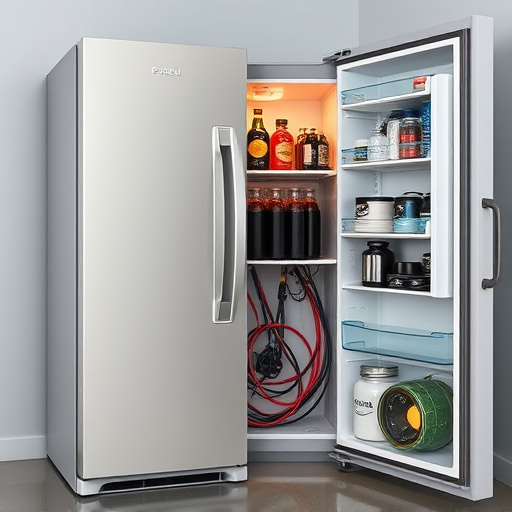
Assessing power and connectivity is a crucial step in comprehensive diagnostics for refrigerator repair. Start by verifying the fridge’s power source—check circuit breakers or fuse boxes to ensure no tripped switches or blown fuses. Confirm the outlet is functional by plugging in another device to test its current capacity. If the refrigerator has a dedicated circuit, use a voltage tester to check for proper power delivery. This initial step can save time by eliminating power-related issues.
Inspect connections at both the appliance and the power source. Tighten any loose plugs or cables, ensuring they are firmly in place. Corroded connectors can be cleaned with appropriate tools, but severely damaged wires should be replaced to prevent arcing and potential fires. For refrigerator repair, especially with older models, checking for proper grounding is essential. Verify that the fridge’s ground wire is connected securely to the building’s electrical system.
In some cases, the issue might not lie in power or connectivity but could be a result of faulty control boards or temperature sensors. Monitor the fridge’s operation using a multimeter to check voltage levels at various points within the appliance. Compare these readings against manufacturer specifications for accurate performance assessment. For instance, a refrigerator with a set temperature of 4°C should maintain that level plus or minus 1°C. Any significant deviation could indicate a control board malfunction.
When troubleshooting, keep records of voltages, temperatures, and observed behaviors. This data aids in identifying patterns and pinpointing the exact cause. Consult service manuals for detailed schematics to understand interconnections between components. By systematically checking power, connectivity, and internal systems, technicians can effectively diagnose and resolve a wide range of refrigerator repair issues, ensuring optimal cooling performance and longevity of the appliance.
Diagnose Internal Issues: Inspect components, temperature controls, and cooling systems.

Internal issues within a refrigerator can often go unnoticed until they manifest as apparent problems like temperature fluctuations or power failures. To effectively diagnose these hidden dilemmas, it’s imperative to conduct a thorough inspection of the refrigerator’s core components—a process that requires meticulous attention and a deep understanding of refrigerator repair.
Begin by examining the temperature controls, which are responsible for maintaining the internal chill. Check for any visible debris blocking sensors or dials, as this could disrupt precise temperature regulation. Next, inspect the cooling system, focusing on signs of leakage or damage to coils. A malfunctioning compressor or faulty connections can significantly impact cooling efficiency and require immediate refrigerator repair attention. Furthermore, elevated temperatures could indicate issues with the thermostat or a blocked condensate drain, both of which are essential for optimal performance.
Practical advice includes regularly cleaning debris from temperature sensors and checking for proper drainage to prevent water buildup. Regular maintenance, including cleaning the evaporator coils, ensures the cooling system operates efficiently. Data suggests that well-maintained refrigerators have longer lifespans and exhibit more stable temperatures. For instance, a study by the Refrigeration Service Engineers Society (RSES) revealed that preventive maintenance can reduce the risk of unexpected breakdowns by up to 30%. Therefore, recognizing and addressing internal issues promptly through comprehensive diagnostics is not just an expert suggestion but a strategic approach to ensuring refrigerator longevity and maintaining food safety standards.
By systematically assessing power and connectivity, inspecting internal components, temperature controls, and cooling systems, refrigerator repair becomes a manageable task. These comprehensive diagnostics and troubleshooting techniques empower homeowners to identify issues accurately and efficiently. Armed with this knowledge, you can prevent minor problems from escalating into costly repairs, ensuring your refrigerator remains a cornerstone of your kitchen functionality for years to come.